Denton, TX
Trucking Insurance in Denton, Starting With the Policy You Already Have
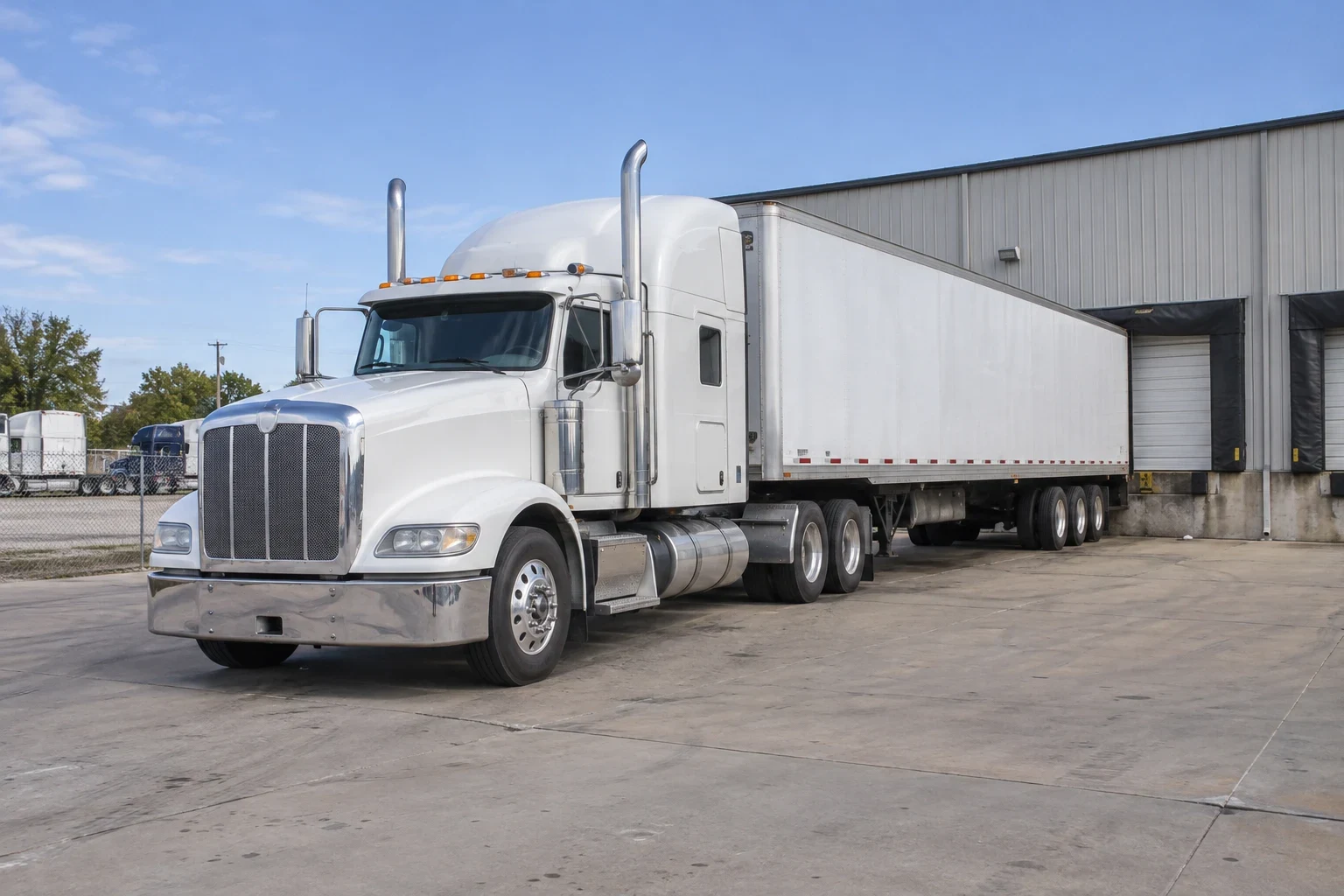
We insure owner-operators, carriers with a fresh MC authority and growing fleets, along with the people running hotshot rigs, box trucks and dump trucks. Our first step is reading the policy you carry now and fixing what can be fixed. Truckers in Denton, Corinth and Krum get plain answers on liability, cargo coverage and filings.
- In business 5 years
- Licensed for property and casualty
- Current policy reviewed first
- Office, phone or video
Why Carriers Talk to Us Before They Switch
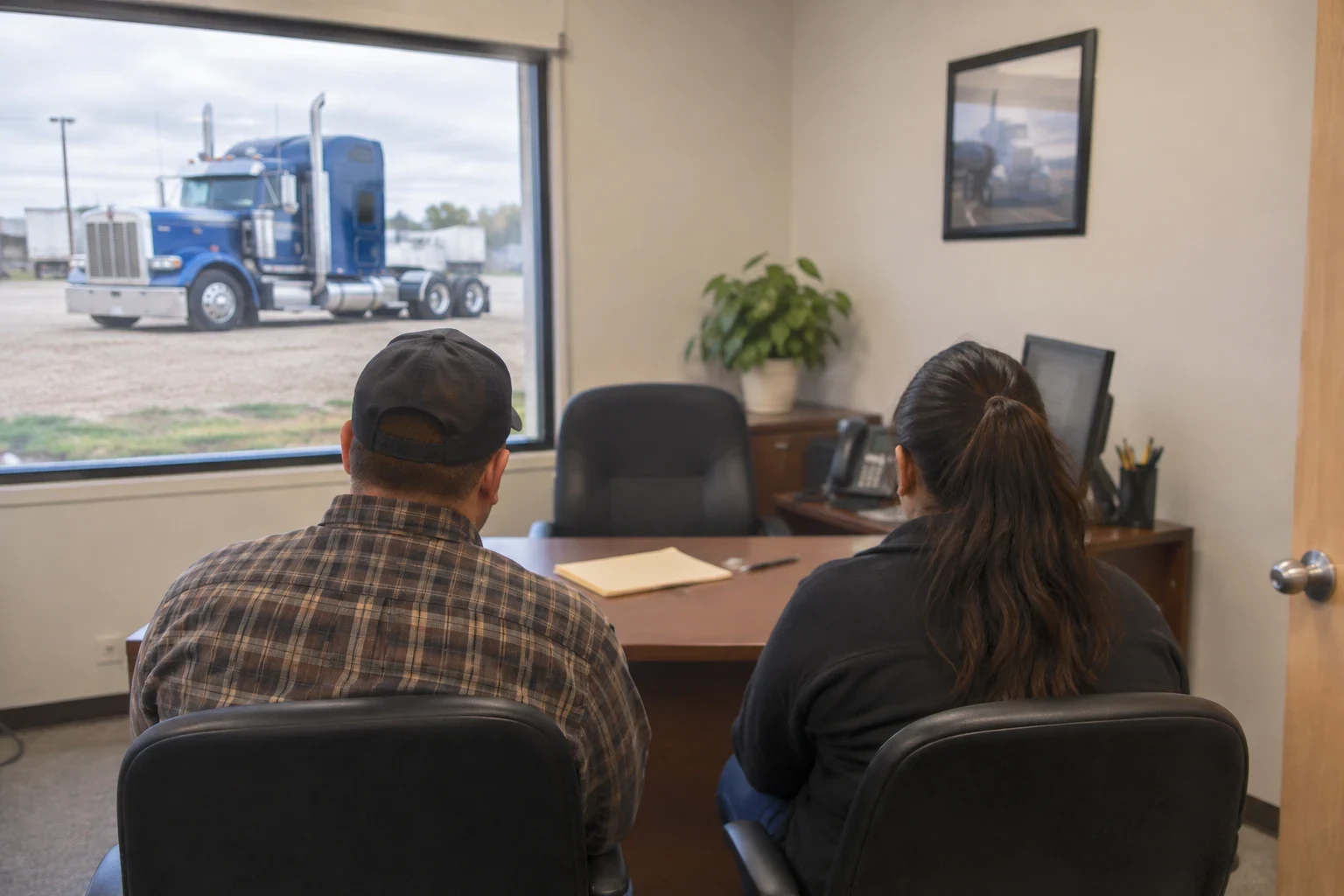
A lot of truckers come to us ready to cancel and start over. Often the better move is smaller: change a limit, fix a driver schedule, or add the endorsement a shipper keeps asking for.
We read your current policy first
Share your declarations page and we go through it line by line with you. If the coverage is sound and only one part is off, we tell you that and help you adjust it. Keeping a policy you already have can protect your loss history and avoid a gap in coverage.
Honest about when replacing makes sense
Sometimes a policy no longer fits. Maybe you moved from local dump work to long-haul freight, or your cargo limit is too low for what brokers now require. When that happens, we explain why a new policy is the better choice and what changes for you.
Filings and certificates handled alongside you
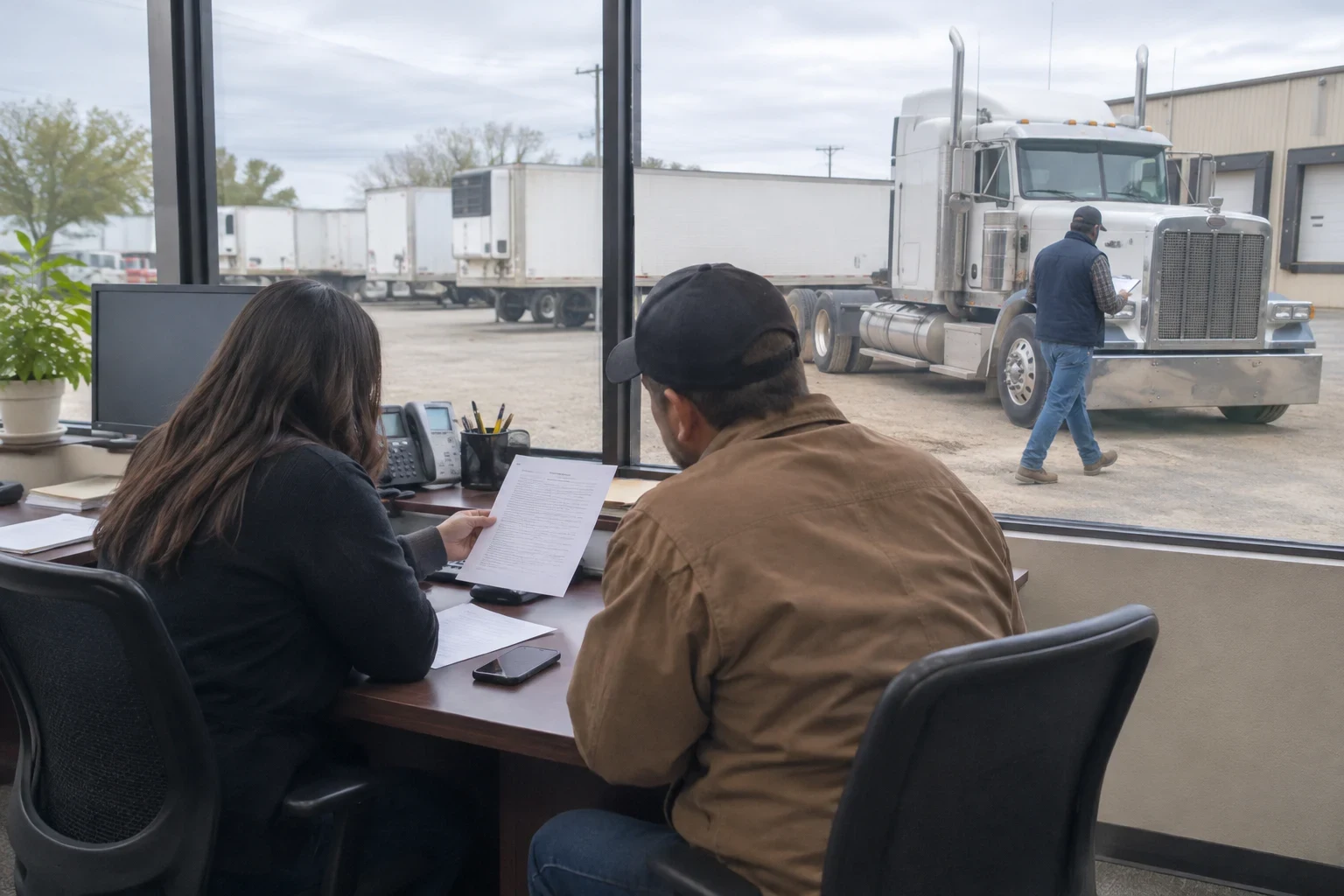
Your liability filing has to be on record for your authority to stay active, and brokers want a certificate of insurance on hand to release a load. We coordinate filings with the insurance company and keep your certificates moving, so you are not stuck waiting on paperwork.
Exclusions explained up front
Radius limits, unscheduled drivers, excluded commodities and unattended-vehicle clauses are where claims get denied. We point them out in plain words while you can still do something about them.
Meet on your schedule
Stop by our office if you like talking face to face. Plenty of our customers never do, and they wrap everything up by phone or video call from a truck stop between loads.
Coverage for the Way Your Trucks Actually Run
Most operations need a few pieces working together: primary auto liability to keep your MC authority active, physical damage for the truck itself, and motor truck cargo for the load. Leased-on owner-operators often need non-trucking liability (bobtail) and sometimes trailer interchange. We also set up coverage built around specific operations, including new authority truck insurance, fleet truck insurance, hotshot truck insurance, box truck insurance, and dump truck and construction truck insurance. Pick the one closest to your setup, or talk it through with us and we will sort out which pieces you need.
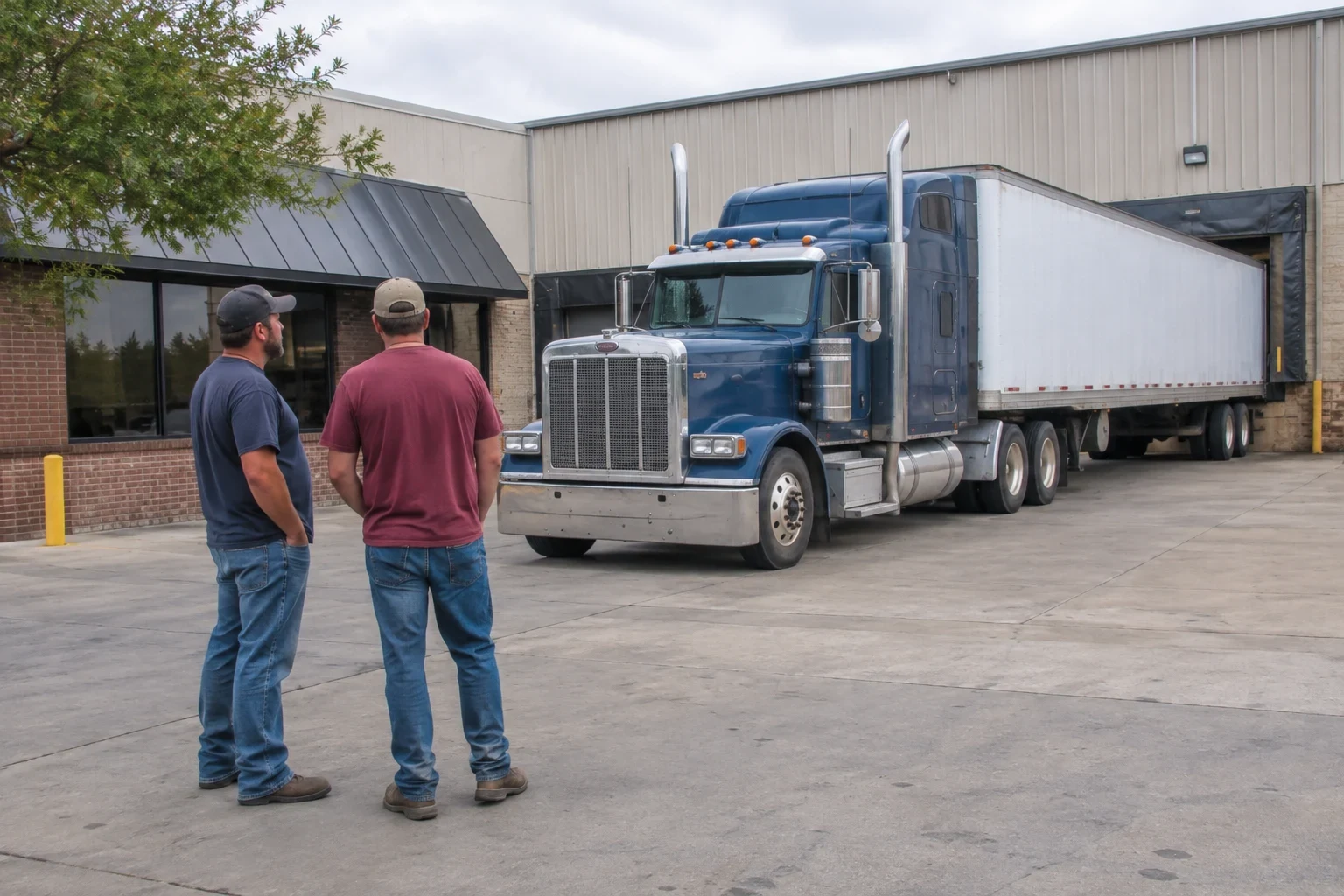
Commercial Trucking Insurance
Liability, physical damage, cargo and the filings your authority needs, built around how your trucks actually run and reviewed before anything gets replaced.
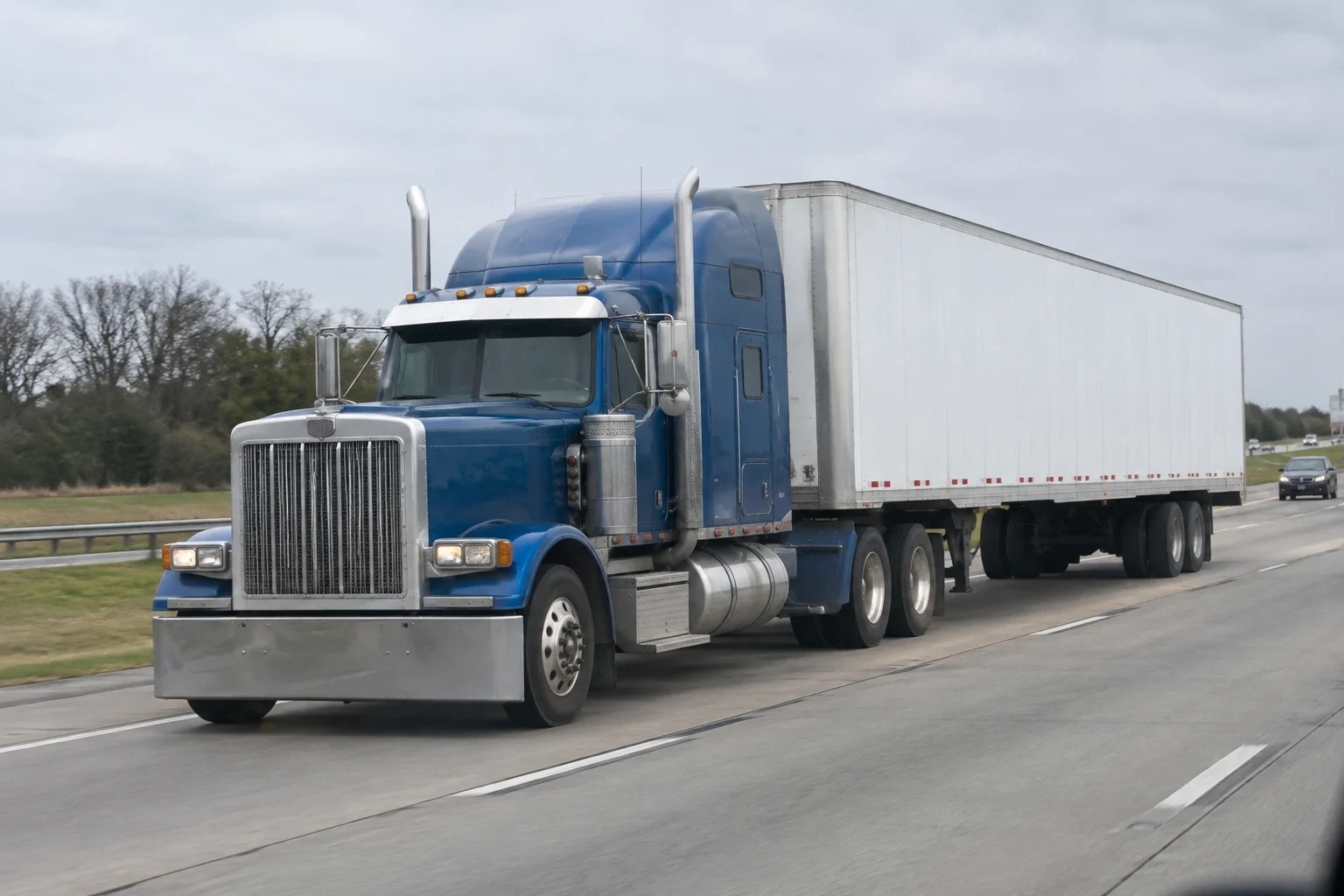
Primary Auto Liability
The coverage your MC authority depends on, set at the limits your brokers ask for, with the required filings made for you.
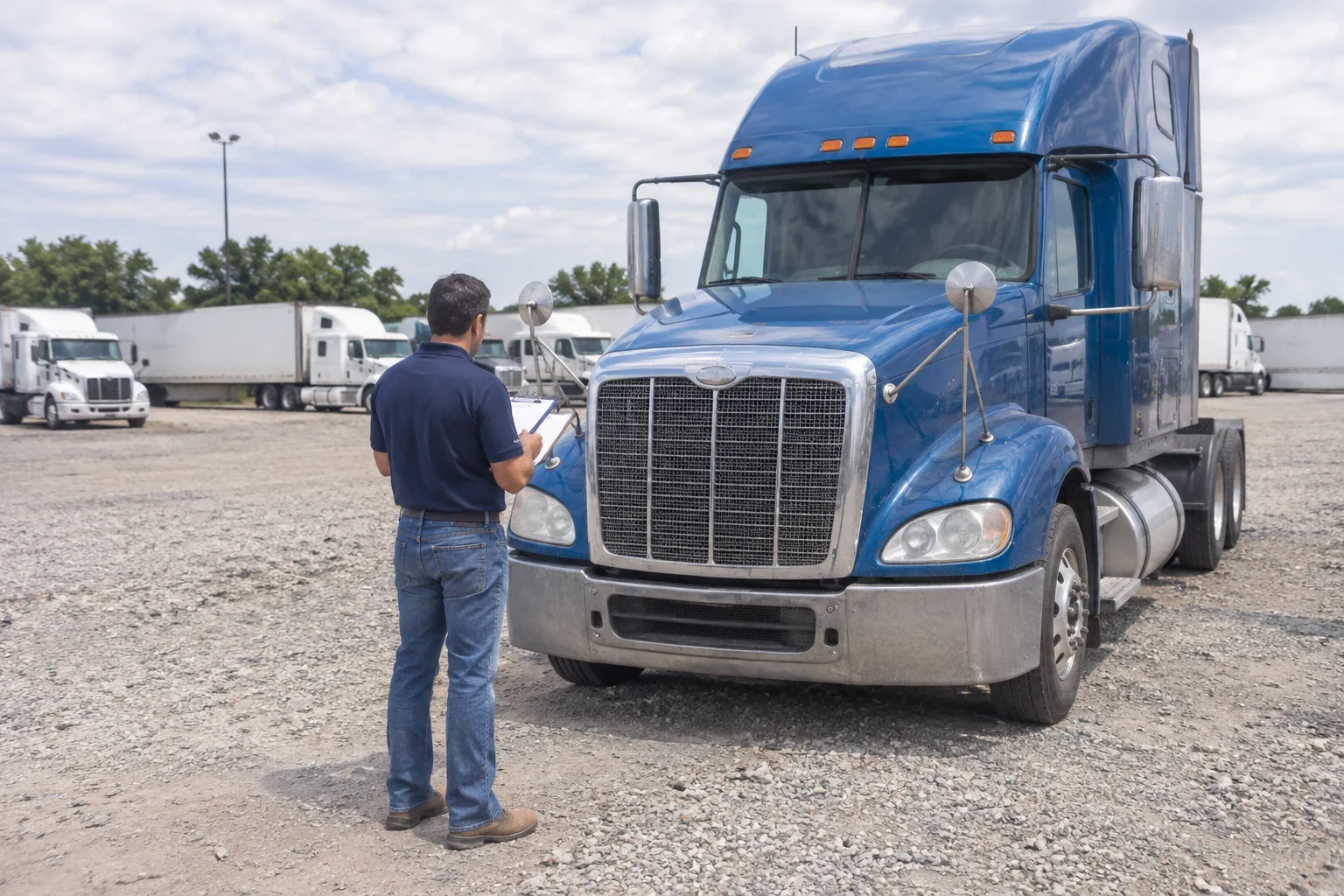
Physical Damage Insurance
Collision and comprehensive coverage for your tractors, straight trucks and trailers, with stated values and deductibles set to fit your operation.
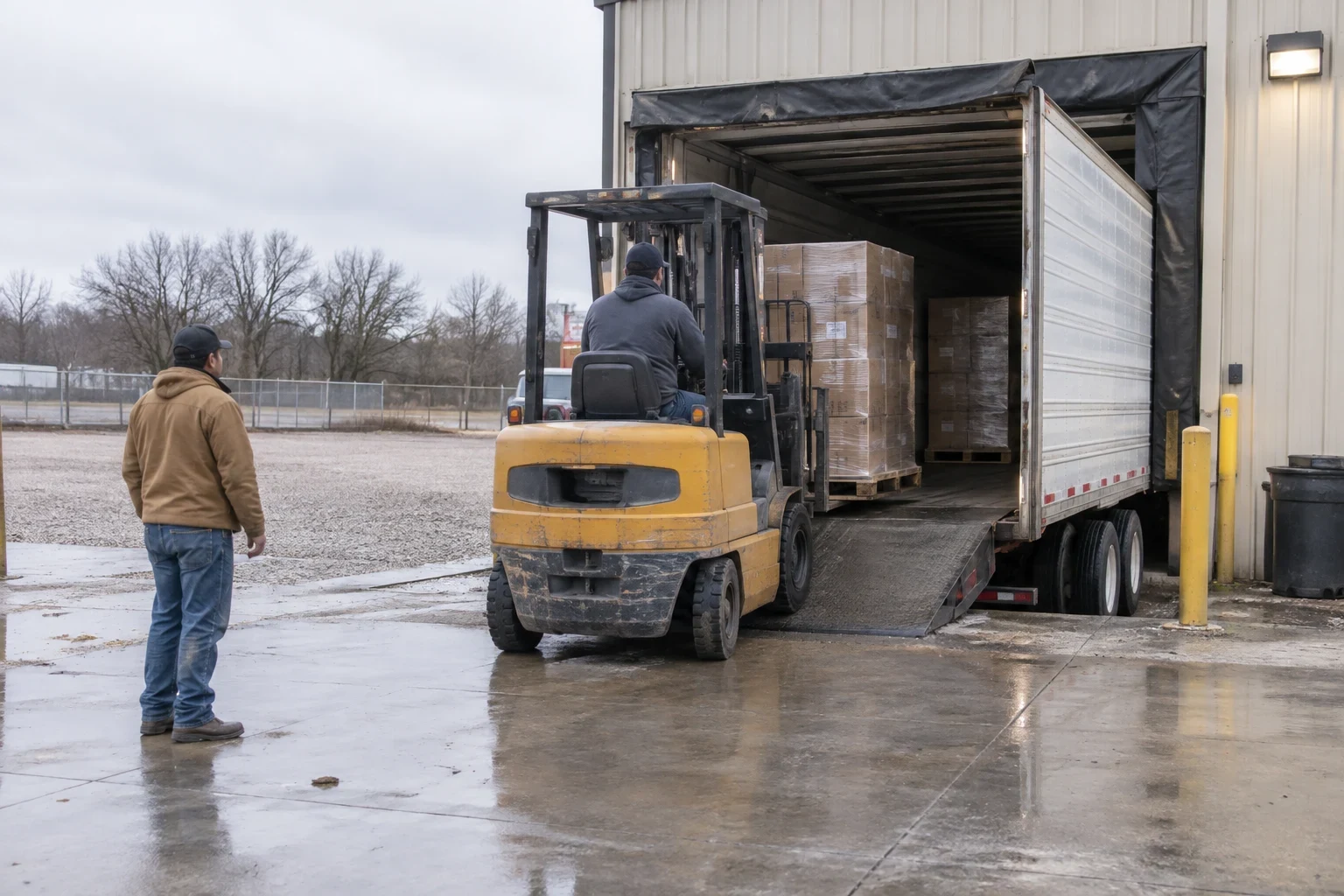
Motor Truck Cargo Insurance
Cargo coverage that matches the freight you actually haul, with limits your brokers accept and exclusions explained before you sign.
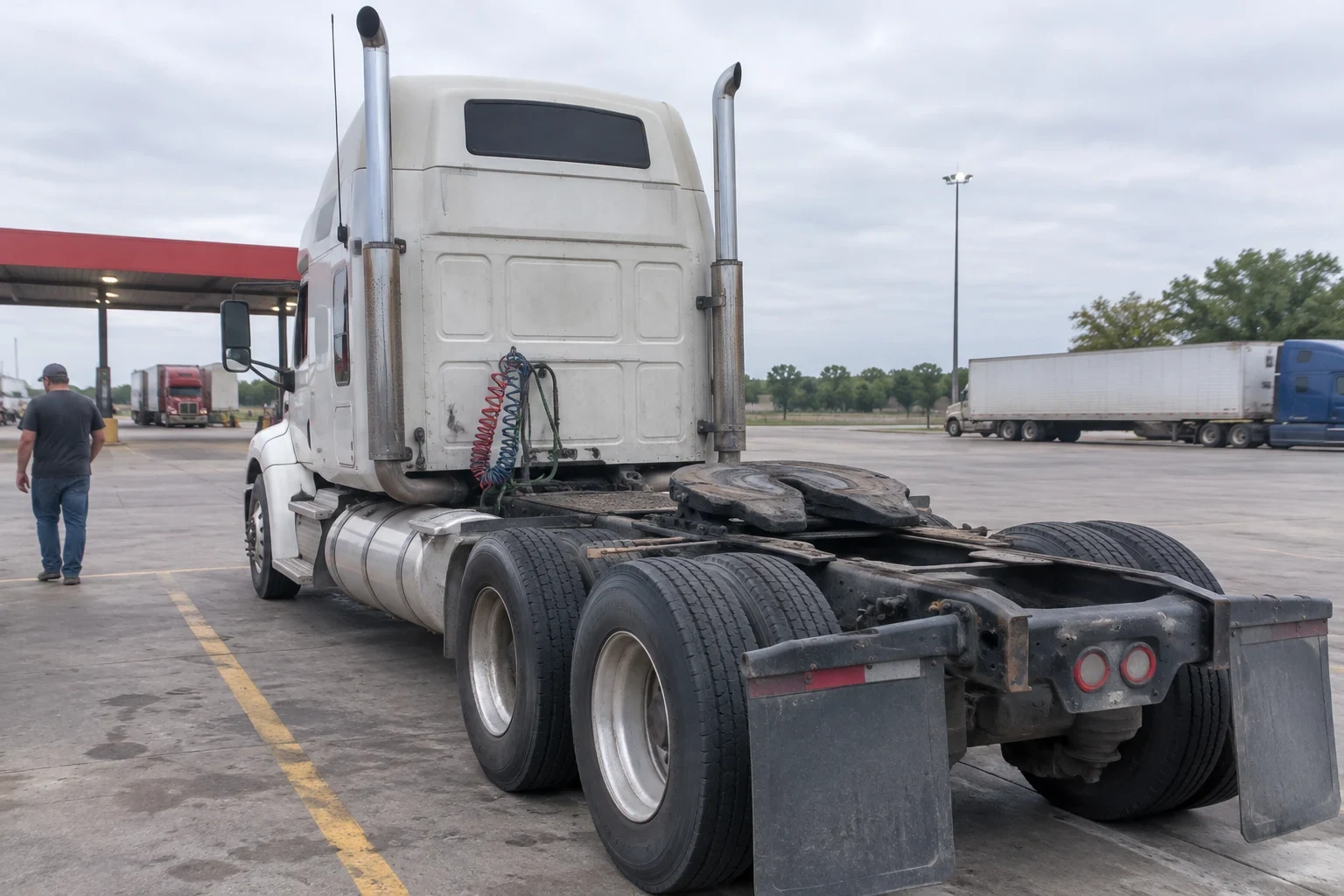
Bobtail Insurance
Liability for leased owner-operators when the truck is off dispatch, set up to match what your motor carrier's lease agreement asks for.
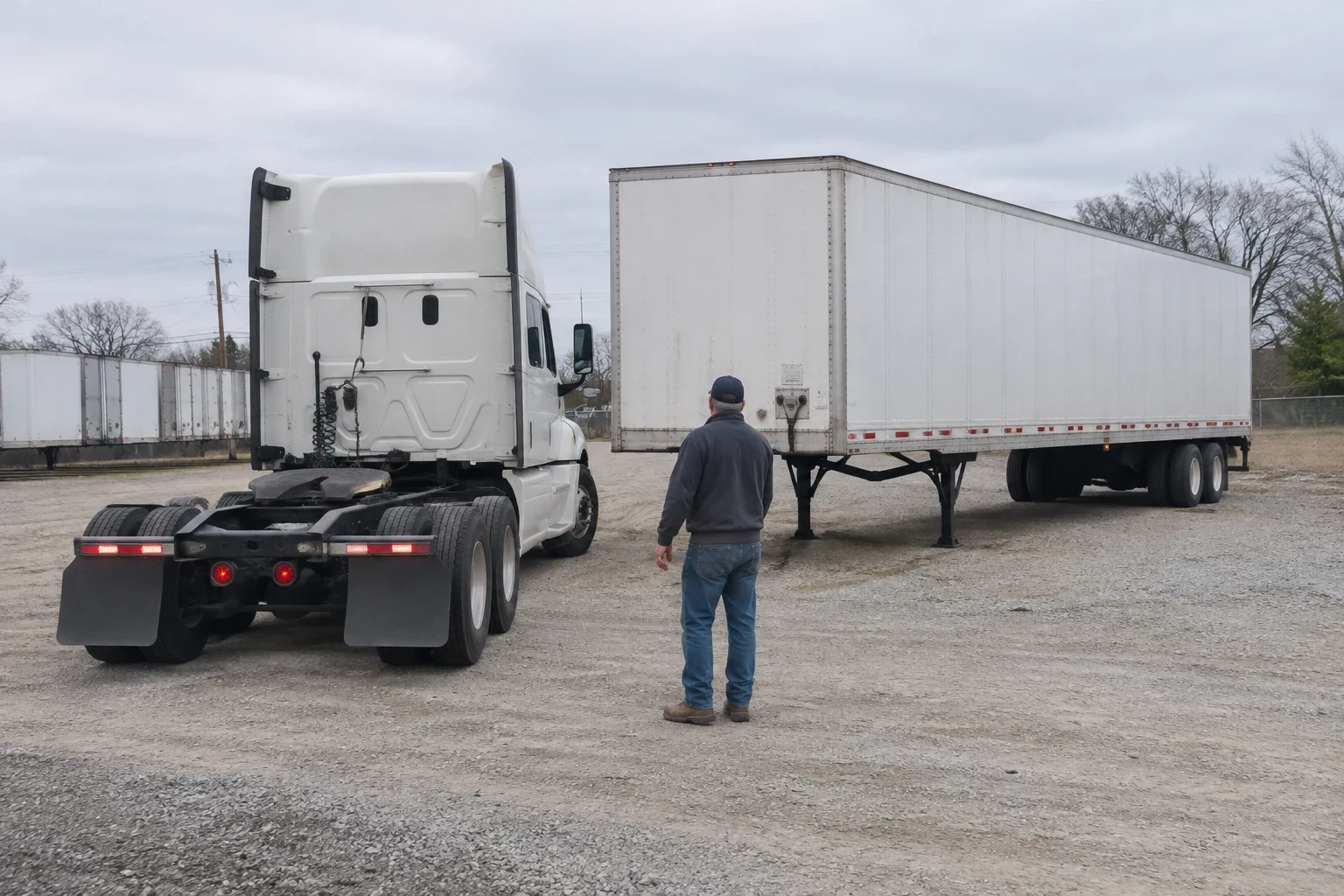
Trailer Interchange
Physical damage coverage for trailers you pull under a written interchange agreement, set up to match the contract you signed.
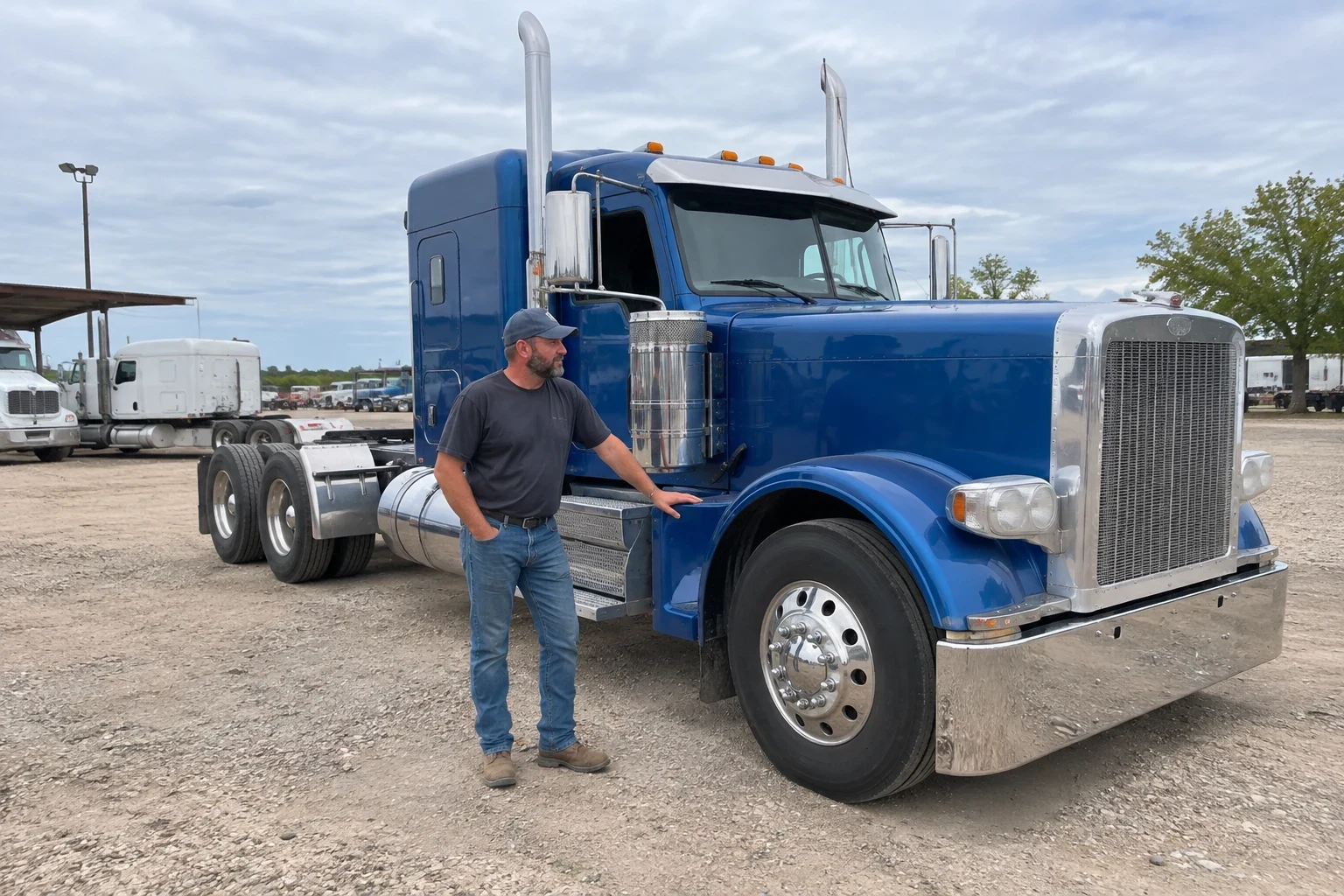
Owner-Operator Insurance
Coverage for one-truck operators, leased on or running under their own MC authority, built by checking what you already have before changing anything.
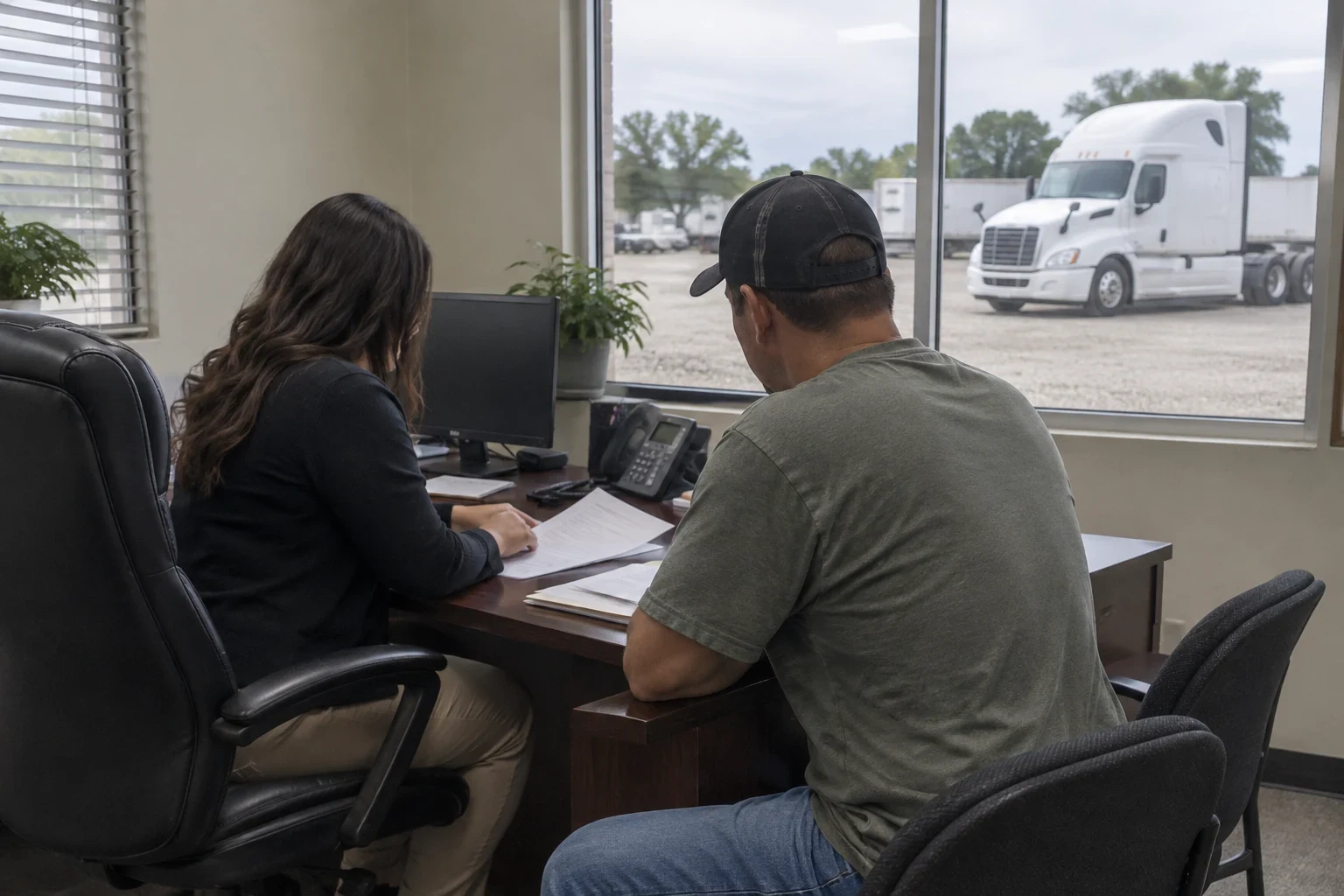
New Authority Truck Insurance
Primary liability with the FMCSA filing, plus cargo and physical damage coverage, so a new motor carrier can get its authority active and start booking loads.
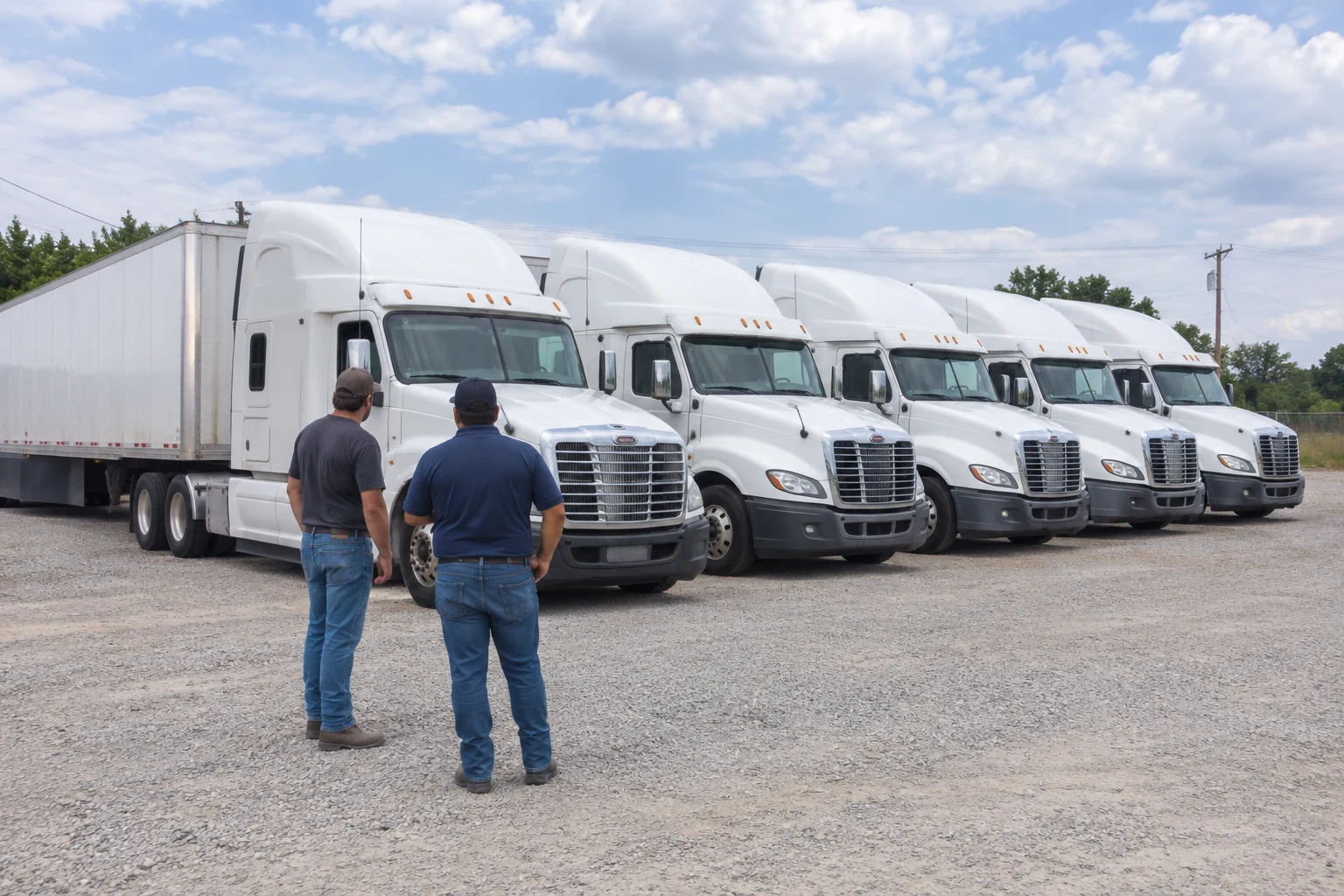
Fleet Truck Insurance
One policy for every power unit and driver in your fleet, reviewed line by line so you fix what's broken before you pay to start over.
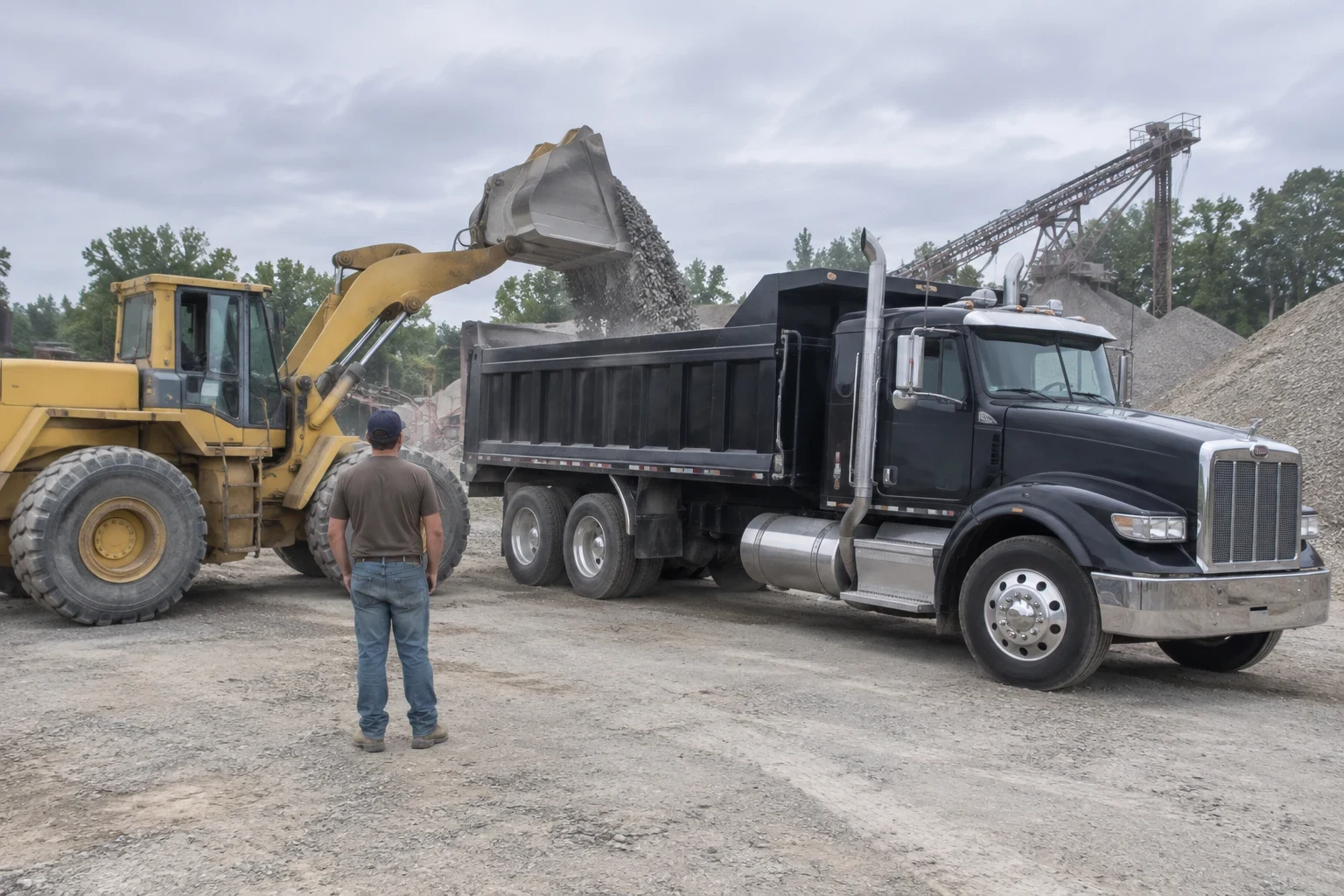
Dump Truck Insurance
Coverage for dump trucks, mixers and other construction haulers, built around what you haul, how far you run and what your contractors require.
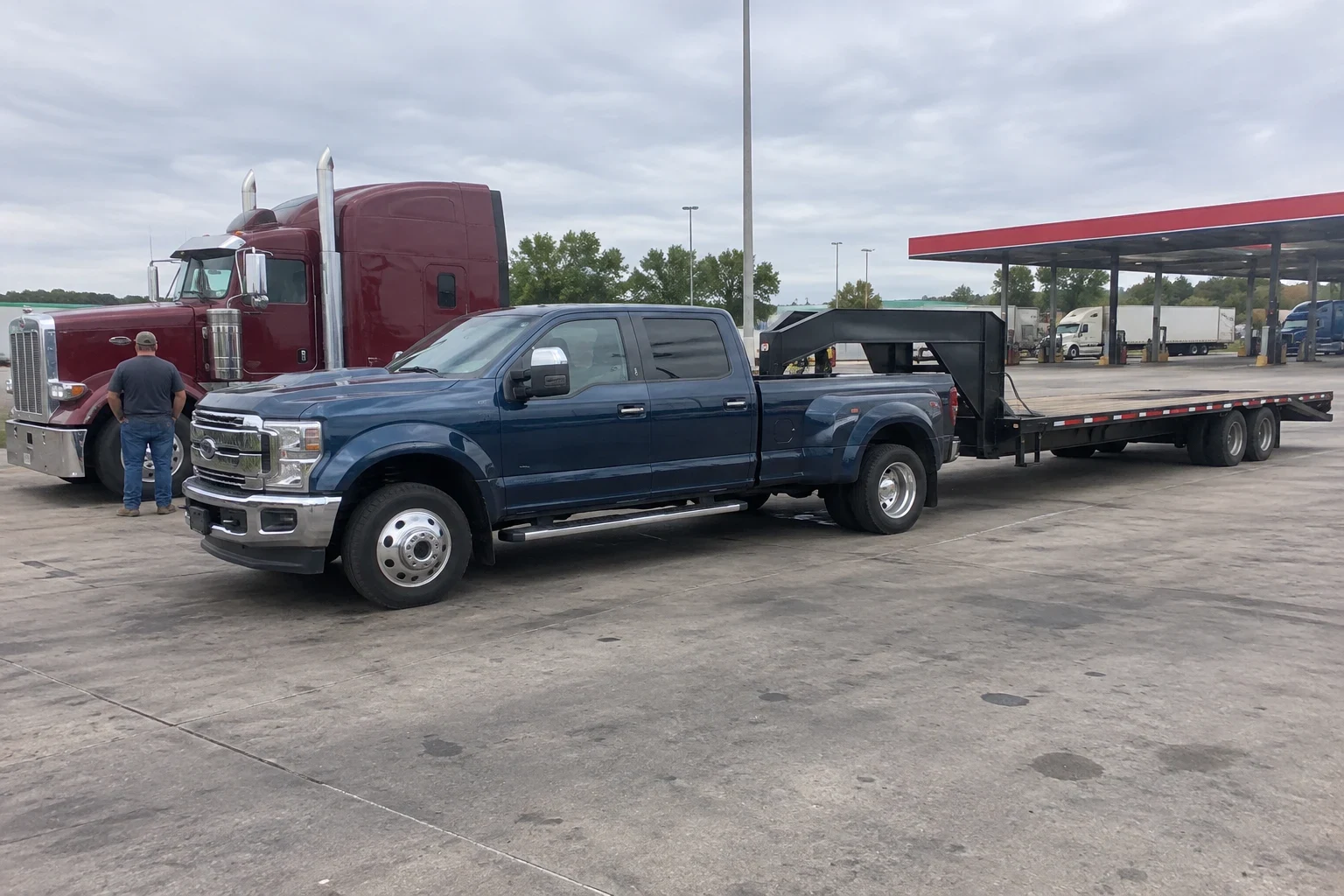
Hotshot Truck Insurance
Liability, cargo and physical damage coverage for one-ton pickups and gooseneck or flatbed trailers, with the filings and certificates brokers ask for.
Box Truck Insurance
Liability, cargo and physical damage coverage for 16 to 26 foot straight trucks, starting with a close look at the policy you already carry.
Where Our Customers Are Based
Our office is in Denton, and the carriers we insure run out of yards across the area, from Krum, Ponder and Argyle to Corinth, Lake Dallas, Hickory Creek, Shady Shores, Highland Village, Lantana and Oak Point. Some keep their gravel and construction loads close to home. Others pull out and stay gone for weeks at a time.
- Denton
- Krum
- Corinth
- Highland Village
- Lantana
- Lake Dallas
- Hickory Creek
- Oak Point
- Argyle
- Shady Shores
- Ponder
Because we handle quotes, filings and certificates by phone and video, you do not need to be parked nearby to work with us.
What Shapes Your Premium
Trucking quotes vary a lot from one carrier to the next, because each insurer prices the risk of your particular operation. Once you know which pieces push the number up or down, it is easier to see where you can save and where you cannot. These are the factors that carry the most weight.
We can only price your coverage once we know your actual trucks, drivers and freight. Before anything is bound, we go over each line of the quote with you by phone.
- How long you have held your authority
- Insurers have nothing to go on with a brand-new DOT number, so they price it carefully. As your authority ages without claims, rates tend to soften, which is another good reason never to let coverage lapse.
- Who is behind the wheel
- Insurers check the motor vehicle record for every driver and look at how many years each one has held a CDL and driven commercially. Recent violations on just one driver can raise the cost for every truck on the policy.
- Your freight and your miles
- The commodity matters. Aggregate headed to a job site, dry van loads, reefer freight and high-value goods each carry their own level of risk. Trucks that stay within a short radius of Denton are often rated differently from trucks running interstate lanes for days at a time.
- Equipment value and deductible
- Physical damage coverage is priced on the stated value of your truck and trailer. A higher deductible can bring the premium down, as long as it is an amount you could realistically pay after a loss.
- Your claims record
- Prior claims count heavily, and liability claims count most. A clean loss run from your current insurer is one of the best things you can bring to a renewal conversation.
- Limits and endorsements
- Raising liability limits, increasing cargo coverage to meet a broker contract or adding trailer interchange will each change the premium. We show you what every option adds so the choice stays yours.
A Denton Agency That Picks Up the Phone
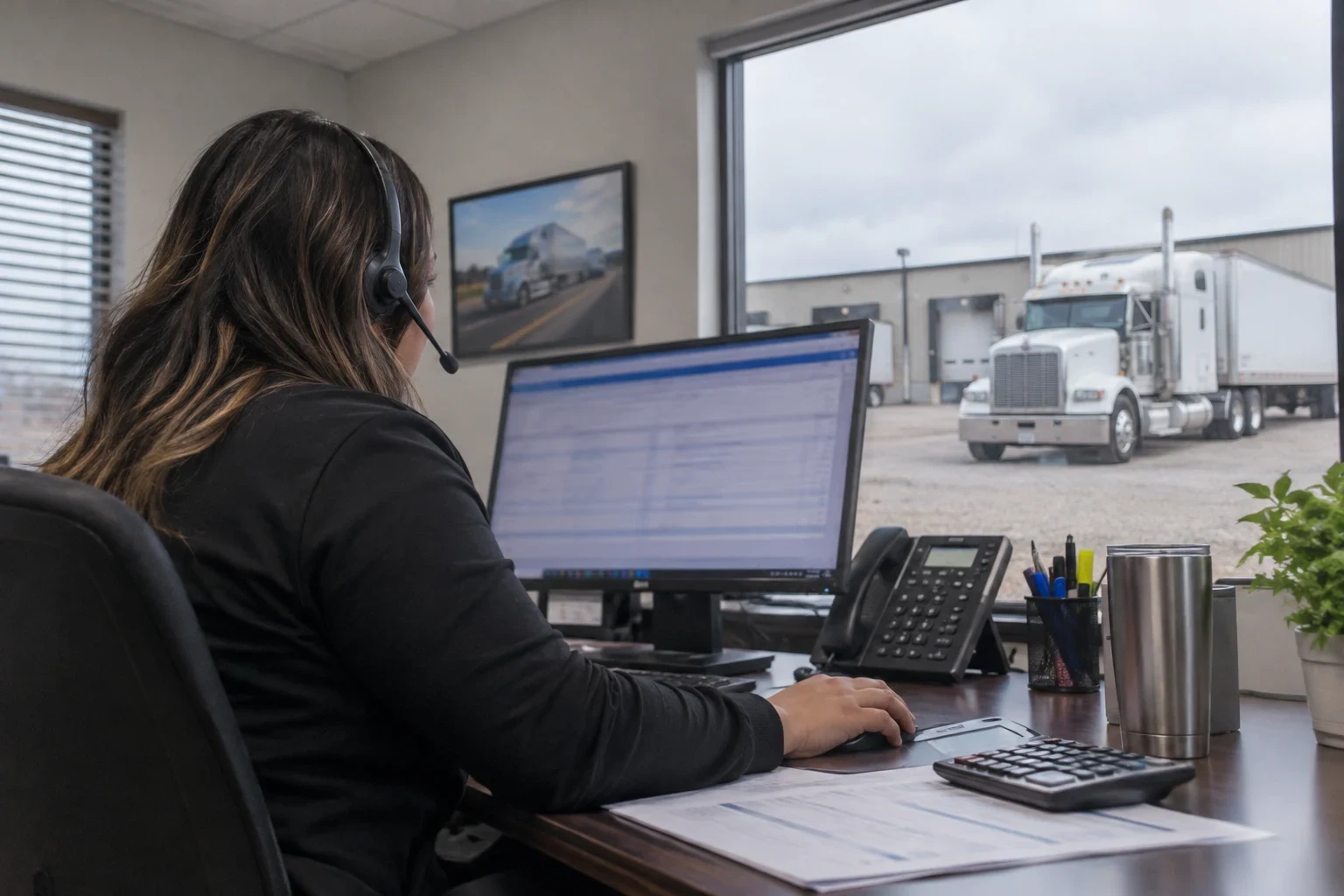
Trucking Insurance Denton works only with trucking businesses. Our customers include solo owner-operators, carriers who just received their authority, fleets with a handful of trucks or a few dozen, and the crews behind the hotshot rigs, box trucks and dump trucks that keep North Texas building and moving. We know what a broker means when they reject a certificate, and we know how much a parked truck costs you.
Our approach is simple. We would rather fix the policy you have than sell you a new one you do not need. When a new policy really is the right call, we say so and show you the reasons. You can meet us at our office or handle everything by phone and video, whichever keeps your trucks rolling.
- License
- Licensed for property and casualty insurance
- In business
- In business 5 years
Questions Truckers Ask Us
Something not covered here? (940) 267-2913
What should I gather for a quote?
Your DOT and MC numbers are a good place to begin, if you have them. We will also need the year, make, model and VIN of each truck and trailer, license information for every driver, and an idea of what you haul and how far. If you have a policy now, bring the declarations page and a loss run so the pricing comes out accurate.
Can you fix my current policy instead of replacing it?
Many times, yes. The trouble is often a cargo limit set too low, a driver left off the schedule or a radius that no longer fits your lanes. Those are the first things we check. If your policy simply cannot cover what you need, we explain the reason and what switching would change for you.
I just got my authority. Can you help with my filings?
We can. Your authority stays inactive until proof of liability coverage is on file, so after you bind we work with the insurance company to get that filing submitted. We also walk you through what drives new authority pricing, so your first quote makes sense when you see it.
How do I get a certificate of insurance for a broker?
Give us the broker's name and the requirements they sent you, like a minimum cargo limit or particular wording. We put the certificate together and send it their way. If they are asking for something your policy does not include, we let you know before anything goes out.
What is the difference between bobtail and primary liability?
Primary auto liability applies while you are hauling under dispatch for a motor carrier. Non-trucking liability, the coverage most drivers call bobtail, protects a leased-on owner-operator using the truck for their own purposes when no load is dispatched. Your lease agreement normally states which coverage the carrier provides and which falls to you, and we are glad to go through it together.
Why did my premium go up when nothing changed?
Rates shift with the whole trucking market, not just your own record, and a driver's MVR can pick up a ticket between renewals. We compare your renewal to last year's line by line to find what changed. Adjusting a deductible or updating the driver list sometimes brings the number back down.
Do I have to come to your office?
Not at all. You are welcome to stop by, but most of our customers do everything by phone and video. You can share documents on a video call, and we review the quote with you the same way.
What Working With Us Looks Like
For most carriers, the whole thing wraps up in a call or two. These are the steps you can expect.
- 1
Share how your operation runs
Tell us what you haul, where you run and who drives. Having your DOT number, the VIN for each truck and CDL details for every driver on hand speeds things up, and so does your current declarations page if you already carry coverage.
- 2
We look over your existing policy
When you already have a policy, we start by finding the specific gaps or the parts you may be overpaying for. A change to a single coverage often clears up the problem without replacing anything.
- 3
Go over your quote by phone
We pull together pricing that matches your operation and review it with you, covering limits, deductibles, exclusions and exactly what the premium buys. When a new policy is the smarter route than adjusting the old one, we lay out the reasons.
- 4
Bind, file and get certificates out
When you are ready, we bind the coverage, handle your filings with the insurer and send a certificate of insurance to your broker or shipper. After that, we remain your contact for changes, new trucks and each renewal.
Find Out What Your Policy Can Still Do
Bring your current coverage, or start from nothing if you just got your authority. We will tell you what fits your operation and what does not.