ServicesOwner-Operator Insurance
Owner-Operator Truck Insurance in Denton
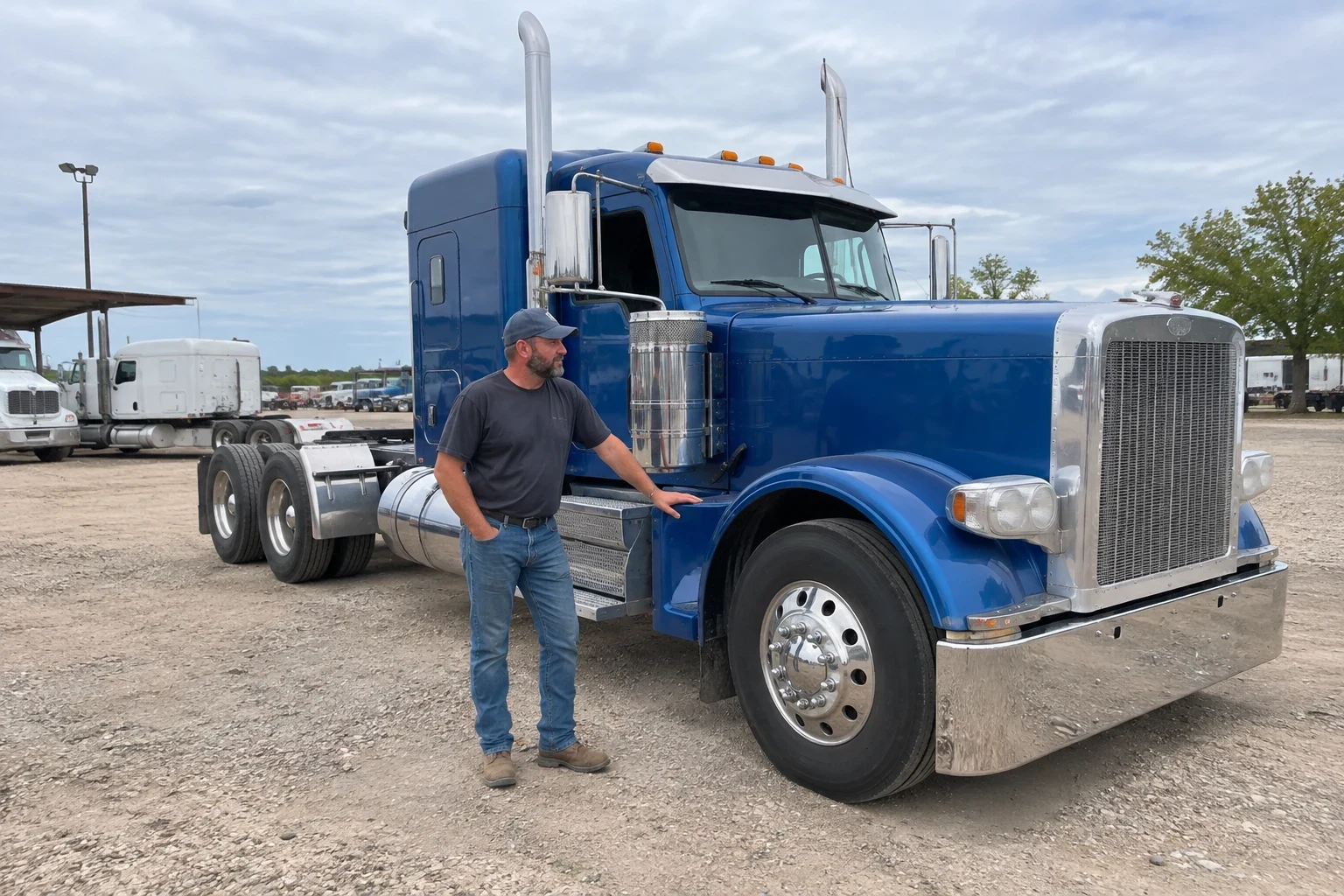
When the truck is yours, so is the premium bill. We start with the policy you carry today, patch the gaps we find, and recommend a new policy only when the current one can't cover the way you actually work.
Coverage built around how you actually run
Owner-operator insurance is really a bundle of coverages, and the right bundle depends on how your truck is dispatched. A driver leased to a carrier typically relies on that carrier's primary liability and needs non-trucking liability plus physical damage for the truck itself. A driver with a DOT number and authority of their own carries everything: primary liability, cargo coverage and the federal and state filings that keep the authority active.
We'd rather fix a policy than replace it. If yours is close, adjusting a limit or adding an endorsement usually solves the problem without starting over. If it was written for a different kind of operation, we say so plainly and explain why a new policy makes more sense. In our 5 years in business, that habit has kept plenty of owner-operators from paying twice for the same coverage.
What we put together for owner-operators
- Primary auto liability
- You need it when you haul under your own authority. We match the limits to your federal filing and to what brokers and shippers expect to see on your paperwork.
- Non-trucking liability (bobtail)
- Leased-on drivers need this for time spent driving the truck off dispatch. We read your lease first so this coverage fits around what the carrier already provides.
- Physical damage for your truck
- Collision and comprehensive on the tractor, with a value that reflects what it's really worth. If a lender has a lien, we list them exactly as the loan documents require.
- Motor truck cargo
- Cargo coverage sized to the loads you carry, with a close look at exclusions that could affect your commodity.
- Trailer interchange when needed
- Pulling trailers you don't own under an interchange agreement? We add coverage that protects those trailers while they're hooked to your truck.
- Certificates and filings
- When a broker or shipper needs proof of coverage, we send the certificate of insurance. We also take care of the filings your MC authority depends on, so a missing form doesn't stall a load.
Signs it's time to look at your coverage
Moving from a lease to your own authority
Once you dispatch yourself under your own DOT number, the carrier's liability no longer follows your truck. New coverage and filings have to be active before that first load.
Your renewal jumped with no clear reason
A sharp increase can often be fixed. We look for rating mistakes, stale driver details or a radius that no longer matches your lanes before we talk about changing carriers.
A broker turned down your certificate
A cargo limit that's too low or a missing endorsement can cost you loads. Usually that's a single change, not a whole new policy.
You bought or financed a different truck
The stated value, the lienholder and your physical damage deductible all need to be updated.
Your lanes changed
Running past your policy's radius, or moving from dry freight to heavier loads, can leave a claim without coverage.
How working with us goes
- 1
A phone or video conversation
We start with how you run: leased on or own authority, the freight you haul, your lanes and your truck. Have your current declarations page handy if you have one.
- 2
A line-by-line policy review
We go through your existing coverage and point out what's working, what's thin and what you're paying for but don't need.
- 3
An honest recommendation
If adjusting your current policy fixes the problem, that's what we suggest. If it doesn't fit your operation, we explain why and quote a replacement that does.
- 4
Coverage, certificates and filings
Once you decide, we put the coverage in place, send certificates to the brokers or carrier you name and file what your authority requires.
What shapes your premium
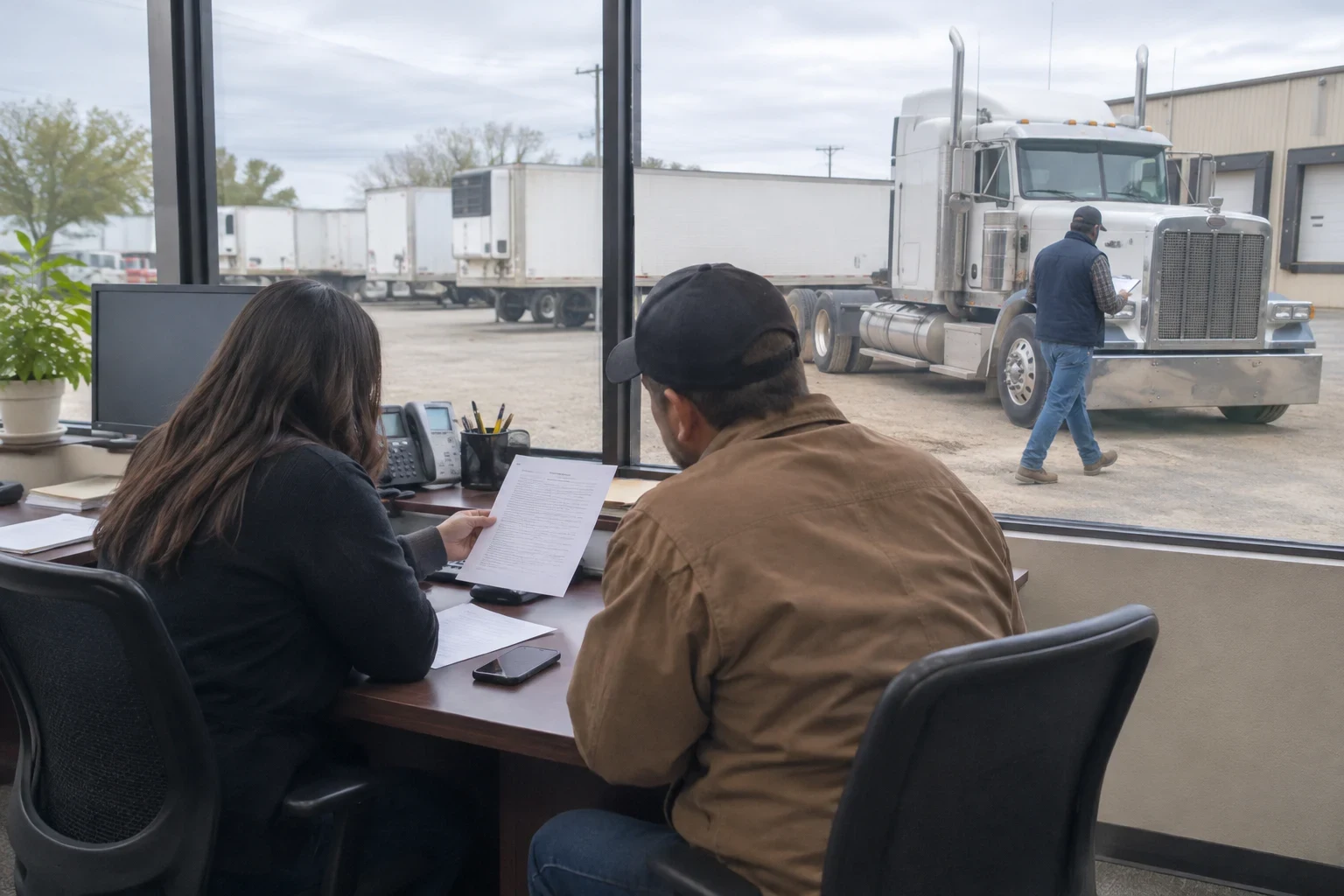
Two owner-operators with similar trucks can get very different quotes. Most of the number comes from your driving history, the truck itself and the freight you move. We show you which factors are pushing your premium up, so you can see which ones are in your control.
- Driving record and CDL experience
- Time behind the wheel and a clean MVR weigh the most. Drivers with a newer CDL usually pay more until they have a few years of history.
- Own authority or leased on
- Running under your own authority means buying primary liability and cargo coverage yourself, so the premium is higher than a leased-on setup where the carrier carries part of the risk.
- Radius and freight
- Long-haul lanes and valuable or tricky commodities cost more to cover than short local runs with lighter freight.
- Truck value and deductible
- A newer or financed tractor carries a bigger physical damage premium. Picking a higher deductible can lower that cost if you're comfortable absorbing more of a loss on your own.
- Loss history and safety scores
- Prior claims and CSA scores stay attached to your DOT number, and every underwriter looks at them.
Owner-operator questions we hear often
Something not covered here? (940) 267-2913
My truck is leased to a carrier. What coverage is on me?
In most cases, two things: non-trucking liability for when you drive off dispatch, and physical damage on the truck you own. The carrier's liability handles you while you're working under their dispatch. We'll read your lease and tell you what it requires, without adding coverage it doesn't ask for.
Can you keep my current policy instead of switching?
Often we can. When your coverage is mostly right, adding an endorsement, raising a cargo limit or correcting your radius tends to cost less and take less time than starting fresh. We only suggest a new policy when the one you have isn't built for the way you run.
What should I have ready when I call?
Your CDL details, DOT and MC numbers if you have them, the year and value of your truck, what you haul and your usual lanes. A copy of your current declarations page lets us review what you already carry.
Can you write this coverage for a Texas owner-operator?
Yes. We're licensed for property and casualty insurance, and that covers the commercial auto, physical damage and cargo policies an owner-operator typically carries.
What changes when I get my own MC authority?
You become the motor carrier, so primary auto liability, cargo coverage and the required filings all fall on you. Our New Authority Truck Insurance page walks through that first-year setup in more detail.
Let's look at what you're carrying now
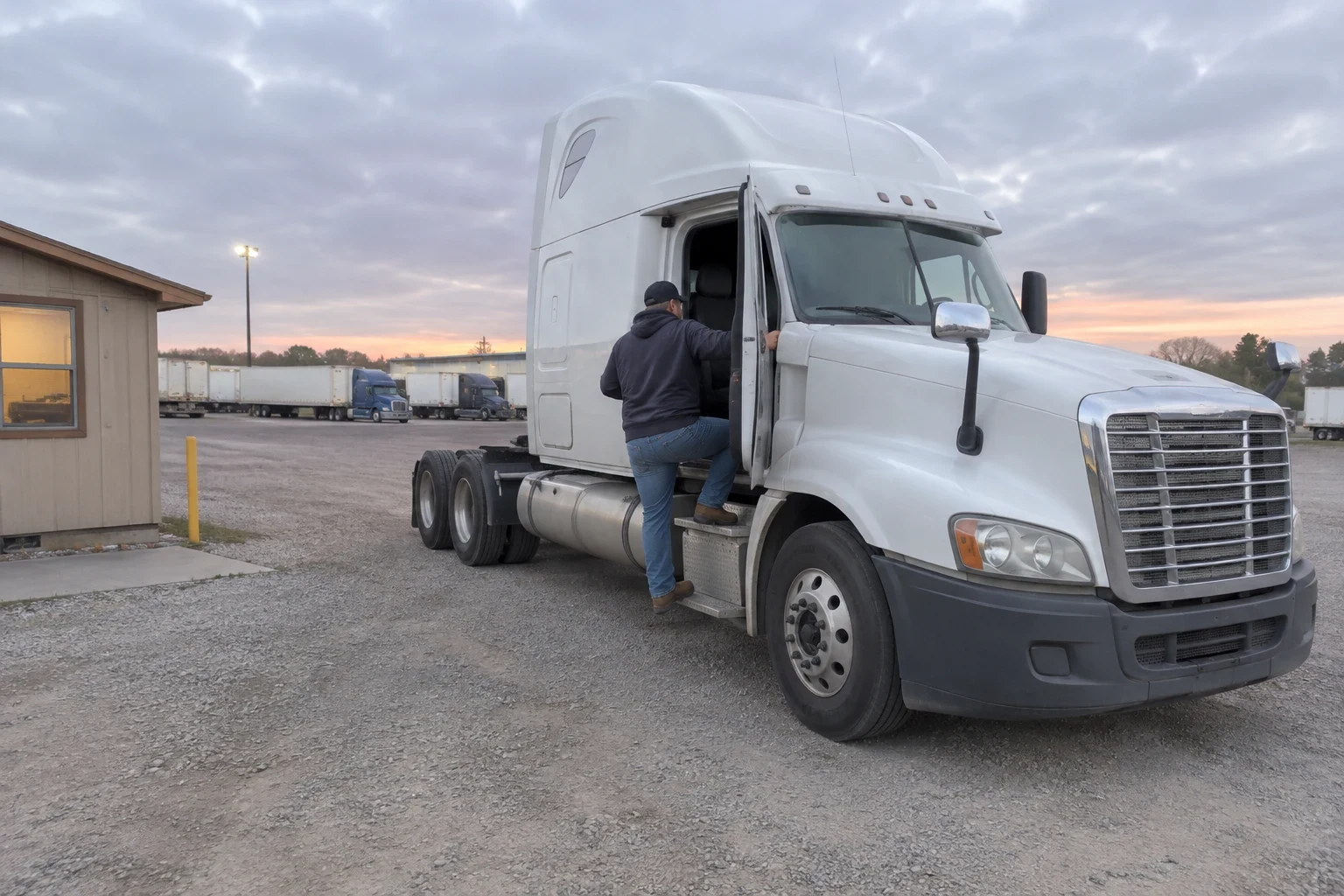
Bring your current policy and a few details about your truck. We'll tell you what to keep, what to fix and whether anything needs replacing.