ServicesBox Truck Insurance
Box Truck Insurance in Denton, TX
We insure straight trucks doing local delivery, freight and last-mile routes. Before we suggest anything new, we read the policy you already have and fix what is missing. If starting over is the better move, we tell you plainly and explain why.
Coverage that fits the way your box truck earns its keep
Box trucks fall between two worlds. A personal policy will not cover business use, and a quote written with a tractor-trailer in mind can miss what a straight truck actually does all day. The result is often a policy that seems fine until a broker or shipper asks for a certificate of insurance and spots a problem.
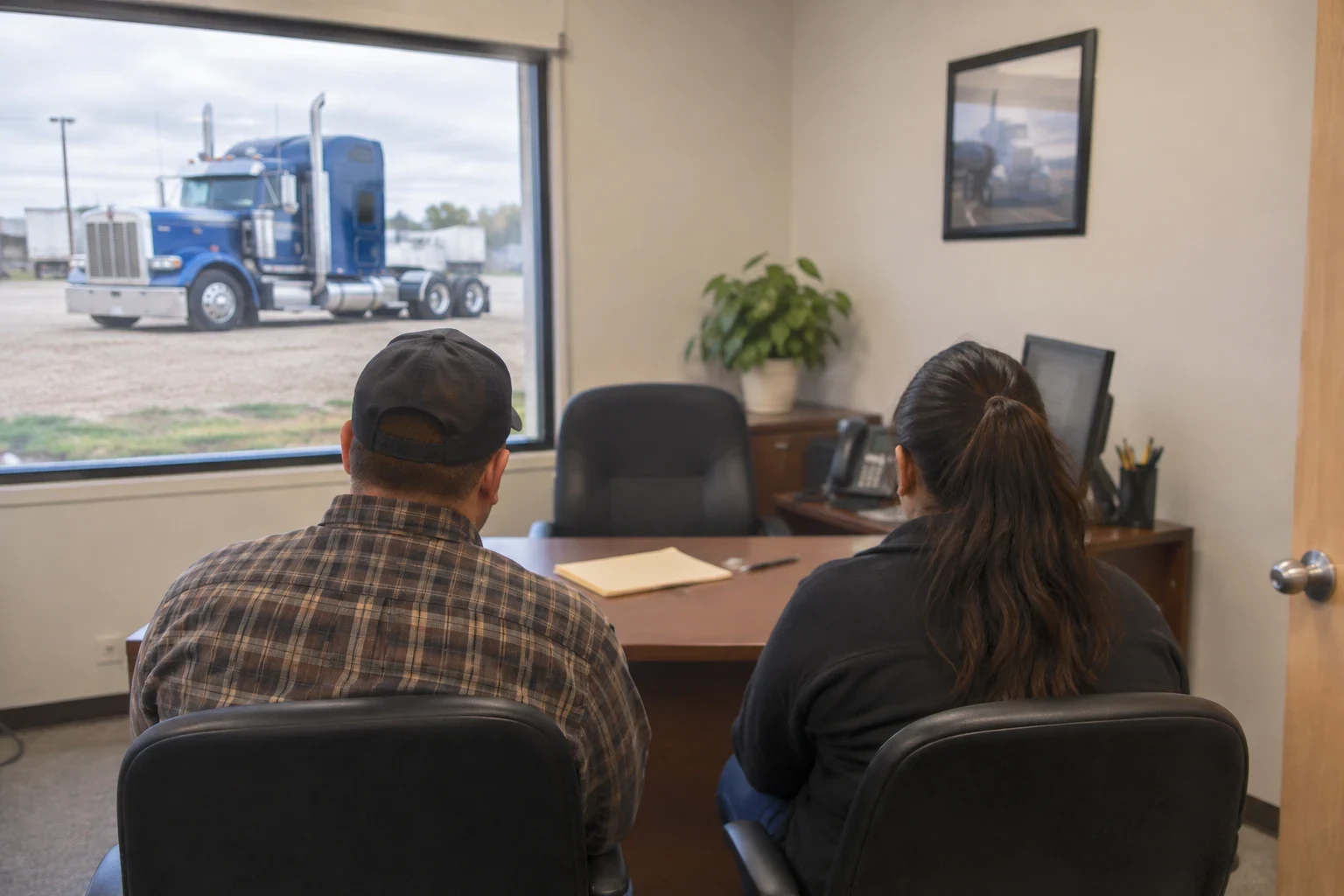
We start with what you already have. Read us your declarations page on a call, or bring it by our office, and we compare the limits, listed drivers, radius, cargo coverage and exclusions against your real routes and loads. A couple of endorsements or a higher limit will often do the job, so you keep your carrier. If the policy was written for a different kind of operation, or the carrier cannot cover your work, we tell you that directly and shop a replacement.
We have been in business 5 years, helping box truck owners in Denton, Krum, Corinth and nearby towns by phone, by video or face to face at our office.
Coverage we can put on your box truck
- Primary auto liability
- This pays for injuries and property damage you cause to other people on the road. Interstate for-hire trucks need limits that match their federal filings, and plenty of shippers expect higher limits than the legal floor.
- Motor truck cargo
- This protects the freight inside the box while you are responsible for it. We read the commodity exclusions carefully, since furniture, appliances and electronics are often capped or excluded.
- Physical damage
- This covers repair or replacement of the truck itself after a wreck, theft, fire or hailstorm. We set the stated value at what the truck is honestly worth today, not what you paid for it.
- Reefer breakdown
- Refrigerated box trucks can add protection for a load that spoils when the reefer unit quits. Many cargo forms skip it unless someone asks for it.
- Filings and certificates
- Running under your own DOT number and MC authority means proof of coverage has to be on record with the right agencies. We submit those filings for you and send certificates of insurance to any broker or shipper who asks for one.
When your box truck policy is due for a review
A certificate got turned down
Last-mile contracts and many brokers set firm liability and cargo minimums. When a certificate gets bounced, an endorsement usually solves it without starting over.
Your freight changed
Switching from general freight to groceries or furniture shifts your cargo risk. The commodities on your policy should match what you load today.
The truck is worth more or less now
An outdated stated value can leave you underpaid after a total loss. Set it too high and you pay premium on money no claim will ever return.
New gear or a new driver
A liftgate, a reefer unit or another driver all belong on the policy. An unlisted driver behind the wheel can turn a good claim into a denial.
You signed a lease with a carrier
The motor carrier's liability usually covers you while you run its loads. Protecting the truck itself often stays your job, and so does non-trucking liability (bobtail) coverage for the hours you drive off dispatch.
What happens after you call
- 1
We learn your operation
We ask about your truck's size and weight, what goes in the box, how far you run and who drives. Most of it takes one short conversation.
- 2
We read your current policy
If you already have coverage, we go through it piece by piece and flag gaps, overlaps and charges for coverage you never use.
- 3
We lay out fix or replace
You hear which changes your current carrier can make and whether a new policy would work better. The choice is yours, with the reasoning laid out plainly.
- 4
We put coverage in place
After you decide on the call, we bind the policy, handle any filings your authority requires and get certificates out to the brokers or shippers who need them.
What shapes your box truck premium
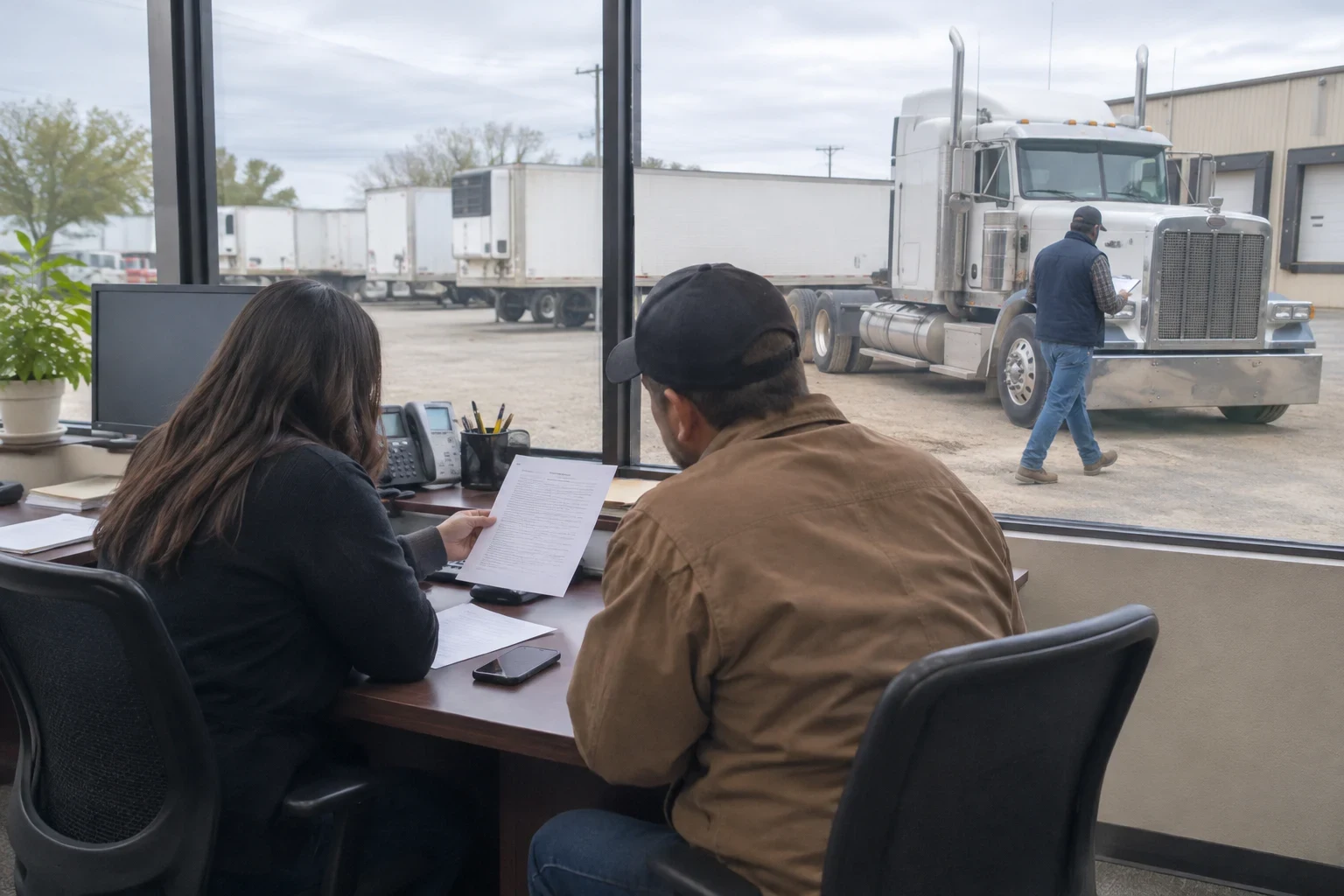
Box truck premiums swing widely from one operation to the next, so we do not quote figures before we know yours. These are the details carriers weigh most. Knowing them helps you see where the money goes and where there may be room to save.
- Radius and route
- Trucks that stay within a local delivery area usually rate lower than those running long interstate lanes.
- What is in the box
- High-value or theft-prone freight raises cargo costs, and refrigerated loads add reefer coverage.
- Driver records
- Carriers check every listed driver's motor vehicle record and experience. A clean record helps more than almost anything else.
- Authority age and loss history
- Newer authorities and recent claims both push premiums up. That tends to ease as you build a clean track record.
- Truck value and limits
- Higher stated values and liability limits above the minimum add premium, though shippers often require the higher limits anyway.
Questions box truck owners ask us
Something not covered here? (940) 267-2913
My truck is under 26,001 pounds. Does it still need a commercial policy?
If the truck earns money, yes. The 26,001 pound line decides whether a driver needs a CDL, not whether the truck needs commercial coverage. Once a for-hire truck tops 10,000 pounds and crosses state lines, it also needs a USDOT number and a liability filing to go with it.
Can my current policy be fixed, or do I have to switch?
Fixing is often possible. A missing driver, a low limit or a narrow cargo clause can usually be handled with an endorsement from your current carrier. When that carrier will not write what your work requires, we walk you through the reasons and start looking at better options.
Will my coverage satisfy a last-mile or delivery contract?
Possibly, but these contracts tend to spell out exact limits and sometimes specific policy wording. Read us the insurance section of the contract over the phone, or bring it to our office, and we will compare it with your policy before you sign.
What licensing does your agency hold?
Our agency is licensed for property and casualty insurance. That license is what allows us to place the commercial auto, cargo and physical damage policies a box truck business depends on. You can work with us over the phone, on a video call or across the desk at our office.
I am leased onto a motor carrier. What am I responsible for?
In most leases the carrier provides primary liability while you are under dispatch, and you cover your own truck plus non-trucking liability for personal use. The lease itself says who carries what. We go through it with you so you are not paying twice or left with an uncovered gap.
Let's look at your box truck policy together
Have your declarations page and truck details handy. We will tell you what is working, what is missing and whether a fix or a fresh policy makes more sense.