ServicesTrailer Interchange
Trailer Interchange Insurance in Denton
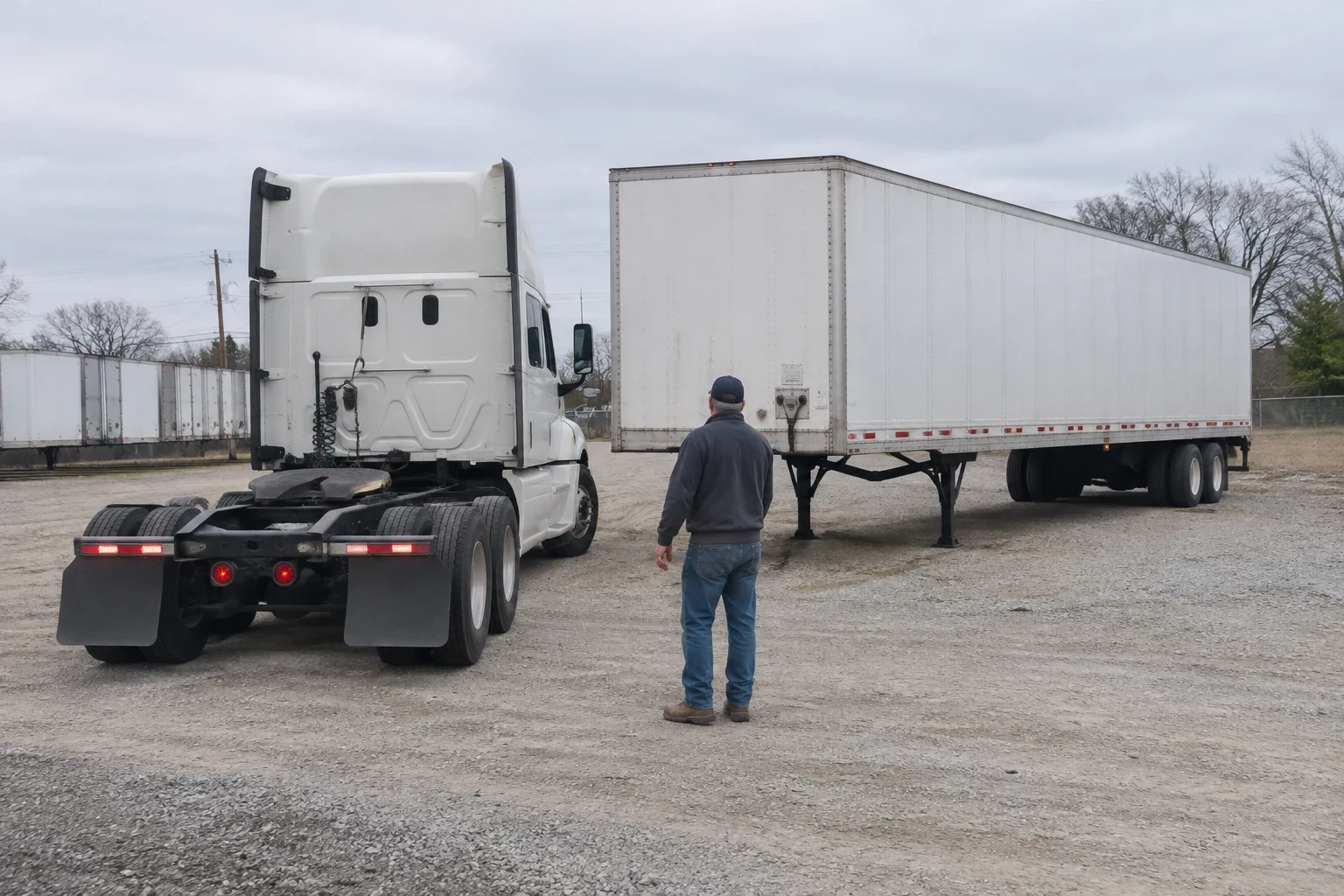
Sign an interchange agreement and a trailer you don't own is on you from hookup until you drop it. We help motor carriers insure that trailer the right way, beginning with the policy you carry now so you add only what the contract calls for.
What trailer interchange coverage does for you
Trailer interchange insurance covers physical damage to someone else's trailer for the stretch of time a written interchange agreement puts it in your hands. If that trailer is hit, burns, is stolen or gets beaten up by hail before you return it, this coverage pays its owner. Your own physical damage policy usually stops at equipment you own, and your liability policy pays for harm to others, not the trailer hooked behind your tractor.
Our first step is reading the coverage you already carry. Often an interchange endorsement on your current program closes the gap, and there is no reason to scrap a policy that is otherwise working. When your current carrier cannot write it, or the limits they offer fall short of what your agreement demands, we explain why moving the policy makes more sense and what changes.
We are licensed for property and casualty insurance and have been in business 5 years. That lets us quote and place interchange coverage for you directly, whether you sit down at our office or meet with us by phone or video.
What we set up with your interchange coverage
Damage to the trailer in your care
Collision, fire, theft and weather damage to a non-owned trailer while you have it under the agreement. We confirm which causes of loss are on the policy before you bind.
Loss of use
Many agreements make you pay the owner for the days a damaged trailer sits in the shop. We check whether your contract requires it and add it when it does.
Limits that match the trailers
A dry van and a refrigerated trailer carry very different values. We set your limit around the most expensive trailer you are likely to pull, not a round number.
A deductible you can live with
We show you how the premium changes at different deductibles so you pick the one that fits your cash on hand after a loss.
Certificates of insurance
We issue the certificate showing trailer interchange coverage and name the trailer owner where the agreement requires it, so the yard releases equipment to you.
Signs you need trailer interchange coverage
You signed an interchange agreement
Intermodal agreements and carrier-to-carrier trailer swaps almost always hold you responsible for damage. Signing one without this coverage leaves that bill with you.
A yard asked for proof
If a railroad, port, shipper or another carrier wants a certificate showing trailer interchange before they release equipment, they are telling you it is required.
Your physical damage policy lists only your tractor
Look at the schedule. If the only units listed are ones you own, the trailers you pull for others are probably not covered.
You are leaving a lease for your own authority
The carrier you were leased to may have covered interchanged trailers. Once you run under your own MC authority, that coverage stays with them.
You already got a damage bill
A repair invoice for a trailer you returned is a costly way to learn about the gap. We can help you cover the next one.
How we get you covered
- 1
Tell us about your operation
Give us a call and walk us through what you haul, whose trailers you pull and your DOT number. Keep your interchange agreement nearby if you can.
- 2
We read the agreement and your policy
We line up what the contract requires, including limits, loss of use and who must be named, against what you carry today.
- 3
You get a straight recommendation
If an endorsement on your current policy does the job, we say so. If it does not, we explain why and lay the options out side by side.
- 4
Coverage in force, proof delivered
After you pick an option, we put the coverage in place and get the certificate of insurance to the yard, shipper or carrier that asked for it.
What moves the price of trailer interchange coverage
The premium mostly reflects the dollar value of the trailers you could owe for and how an insurer rates the odds of a claim on your operation. We walk through every line of the quote with you, so nothing on it is a mystery. Here are the pieces insurers look at most closely.
- Trailer type and value
- Reefers, specialized trailers and newer equipment cost more to fix or replace, so they call for higher limits and a higher premium.
- Limit and deductible
- A higher limit adds to the premium. A bigger deductible brings it down, but more of any repair bill then comes out of your own pocket.
- Driving records and loss history
- Clean MVRs and few past claims help your price. Recent trailer damage claims will show up in the quote.
- How and where you run
- Short drayage moves with constant hook-ups carry different risks than long-haul lanes, and North Texas hail season factors in for any trailer that sits outside.
Trailer interchange questions we hear
Something not covered here? (940) 267-2913
How is this different from non-owned trailer coverage?
Trailer interchange applies when a written agreement lets you use someone else's trailer. Non-owned trailer physical damage covers trailers you pull without that kind of contract. Some operations need both, and we will tell you which one fits yours.
Doesn't my cargo coverage take care of the trailer?
No. Motor truck cargo insurance protects the freight inside, not the trailer around it. A wrecked trailer full of damaged freight can turn into two separate claims under two different coverages.
Will my primary auto liability pay for the trailer?
Primary auto liability is there for the other side of a crash: people who get hurt and vehicles or property you damage. A trailer you are hauling under contract is generally excluded from it. Trailer interchange exists to fill exactly that hole.
Can interchange coverage go on my current policy?
Often, yes. Many insurers offer it as an endorsement on an existing commercial trucking policy. If yours will not, or its terms come up short of what your agreement asks for, we tell you plainly before we suggest moving anything.
I'm leased on to a carrier. Am I covered?
That depends on your lease. Some carriers cover interchanged trailers for their leased owner-operators, and others shift that responsibility to you. Read us the lease language over the phone and we will help you sort out where you stand.
Find out what your agreement really requires
Bring us your interchange agreement and your current policy. We will tell you whether a simple addition covers you or whether a different policy makes more sense, and why.