ServicesFleet Truck Insurance
Fleet Truck Insurance in Denton
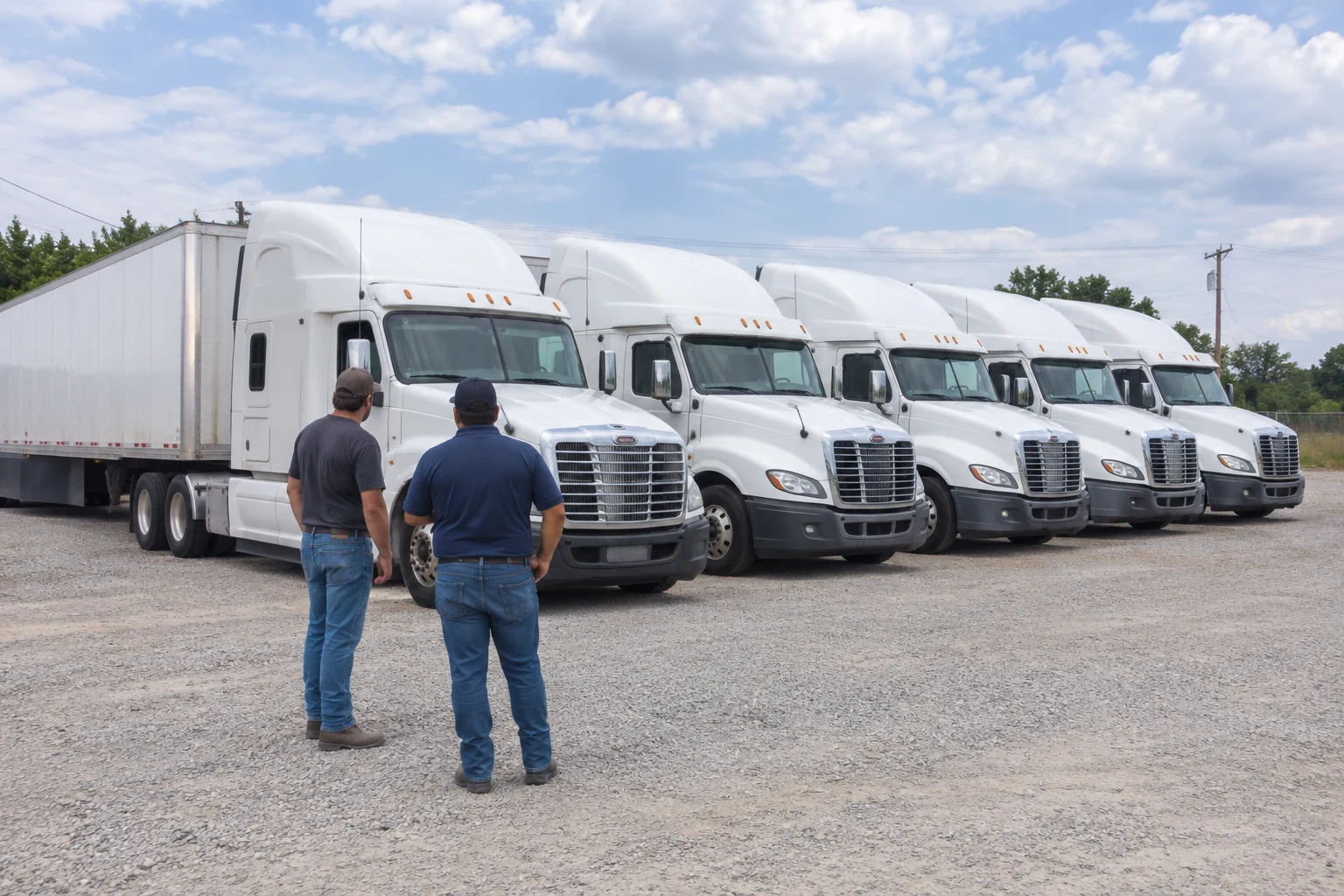
When you run more than one truck, your coverage has to stretch with every unit you buy and every driver you hire. We begin with the policy you hold today, correct what's wrong, and recommend a different carrier only when yours can't serve your operation anymore.
One policy that keeps pace with your fleet
Instead of juggling a separate policy for each truck, a fleet policy brings your power units, trailers and drivers together under one set of coverage. Most include primary auto liability, physical damage and cargo coverage, plus the filings that keep your MC authority and DOT number in good standing. Set up right, a new truck or a new hire becomes a simple endorsement rather than a fresh application.
Many fleet owners reach us right after a renewal climbs, expecting to move to another carrier. That isn't always needed. We regularly turn up trucks sold last year that are still on the schedule, stated values that were never lowered, deductibles that no longer suit your cash flow, or drivers who should come off the list. Correcting those can pull the premium back down without a restart.
There are times when moving on is the smarter choice. If your carrier is backing away from what you haul, won't cover a wider radius, or has issued a nonrenewal, we'll be straight with you and shop other markets. Our agency is licensed for property and casualty insurance, and in our 5 years in business we've helped carriers weigh both routes.
What a fleet policy can cover
Primary auto liability and filings
Liability limits that brokers and shippers look for, along with the federal and Texas filings your authority depends on. We make sure those filings carry the exact name and numbers shown on your MC authority.
Physical damage on a unit schedule
Every truck and trailer gets a line on the schedule with a value and a deductible of its own. We compare those values with what your equipment would really bring today.
Motor truck cargo
Cargo coverage matched to the freight you move. We point out exclusions that often catch fleets off guard, such as reefer breakdown or loads left unattended.
Trailer interchange and non-owned trailers
Protection for trailers you haul under an interchange agreement or that belong to someone else, so damage to one doesn't land on your bill.
Mid-term changes
Trucks and drivers can be added or dropped by endorsement as the year goes on. That keeps the schedule in step with what you're really running.
Certificates of insurance
We issue certificates for brokers, shippers and job sites with the correct certificate holder and any extra parties a contract asks to see named.
Signs your fleet coverage needs a closer look
Renewal went up and nobody explained why
Large jumps rarely come out of nowhere. A recent claim, an added driver or a rating change is often behind it, and we track down the cause before you choose to stay or go.
Trucks on the schedule you no longer own
If sold or totaled units are still listed, you're paying premium on equipment that left your yard.
A new driver can't get approved
Hires that sit in limbo or keep getting turned down suggest your driver requirements don't match the people you actually recruit.
Brokers asking for higher limits
When loads slip away because your cargo or liability limits come up short, the policy has fallen behind your contracts.
You're running farther than you used to
Hauling up I-35 and across state lines on a policy rated for local work can leave you exposed when a claim comes in.
How we review and set up your fleet coverage
- 1
Start with how you run
First we learn about your trucks, your drivers, what you haul and the lanes you cover. That talk can happen in our office, over the phone or on video, and it's just about getting the facts straight.
- 2
Gather the paperwork
Next we'll ask for your declarations page, unit schedule, driver list, loss runs and DOT number. Missing loss runs are common, and we can help you get them from your carrier.
- 3
Line-by-line review
We work through every section of the policy with you. You'll see what's doing its job, what's costing more than it should and where coverage falls short.
- 4
Repair or replace, explained
Our first recommendation is to fix the policy you have. If shopping makes more sense, we tell you the reason and lay out the options next to each other so the comparison is easy.
- 5
Filings and certificates
After the coverage is settled, we take care of the filings and get certificates of insurance out to your brokers and shippers.
What shapes your fleet premium
A carrier prices your fleet by adding up the risk it sees across every truck and every driver. Some of those factors take years to change. Others can shift at the next renewal, and we'll show you which ones are worth working on now.
- Units and equipment type
- How many power units you run, how old they are and what they're worth all count. So does the trailer behind them, since flatbeds, dry vans and tankers carry different risks.
- Driver records and experience
- Carriers look closely at years behind the wheel of a commercial vehicle and at each driver's MVR. A single hire with recent violations can pull the rate up for the whole fleet.
- Claims history and inspections
- Loss runs tell a carrier what claims you've had, and CSA scores tell them how roadside inspections have gone. Stringing together a few clean years tends to widen your choices.
- Radius and commodity
- Short local runs are priced differently from long haul. Freight that is valuable or hard to handle raises both cargo and liability costs.
- Deductibles and limits
- Taking on a higher deductible can bring the premium down, but only if your operation can cover that amount after a loss. We help you pick a level your cash flow can handle.
Fleet truck insurance questions
Something not covered here? (940) 267-2913
How many trucks do I need before it counts as a fleet?
Each carrier draws the line a little differently, though many start treating you as a small fleet at two power units. Once you're adding a second or third truck, a fleet setup tends to make each new unit easier to bring on. Tell us what you run and we'll explain how carriers are likely to see it.
What happens when I buy another truck or hire someone before renewal?
You don't have to wait for the term to end. Most fleet policies let units and drivers come on or off through an endorsement partway through the year. Phone us with the VIN or the new hire's details and we'll take care of the change with the carrier.
Do I have to switch carriers to lower my renewal?
Often you don't. Cleaning up the unit schedule, bringing stated values in line, adjusting deductibles and reviewing the driver list can trim a renewal on their own. When a carrier truly can't fit your operation anymore, we'll tell you that and take it to market.
Can we go over my policy in person?
You're welcome to come by our office. Plenty of fleet owners would rather not leave the yard, so we also do these reviews over the phone or on a video call. Pick whatever fits around dispatch.
How does one bad driver affect my fleet?
Carriers price a fleet partly on its riskiest drivers. Someone with serious violations might push the premium higher or have to be excluded from the policy. We'll show you what that driver does to your numbers before you make the hiring call.
Let's look at the policy you already have
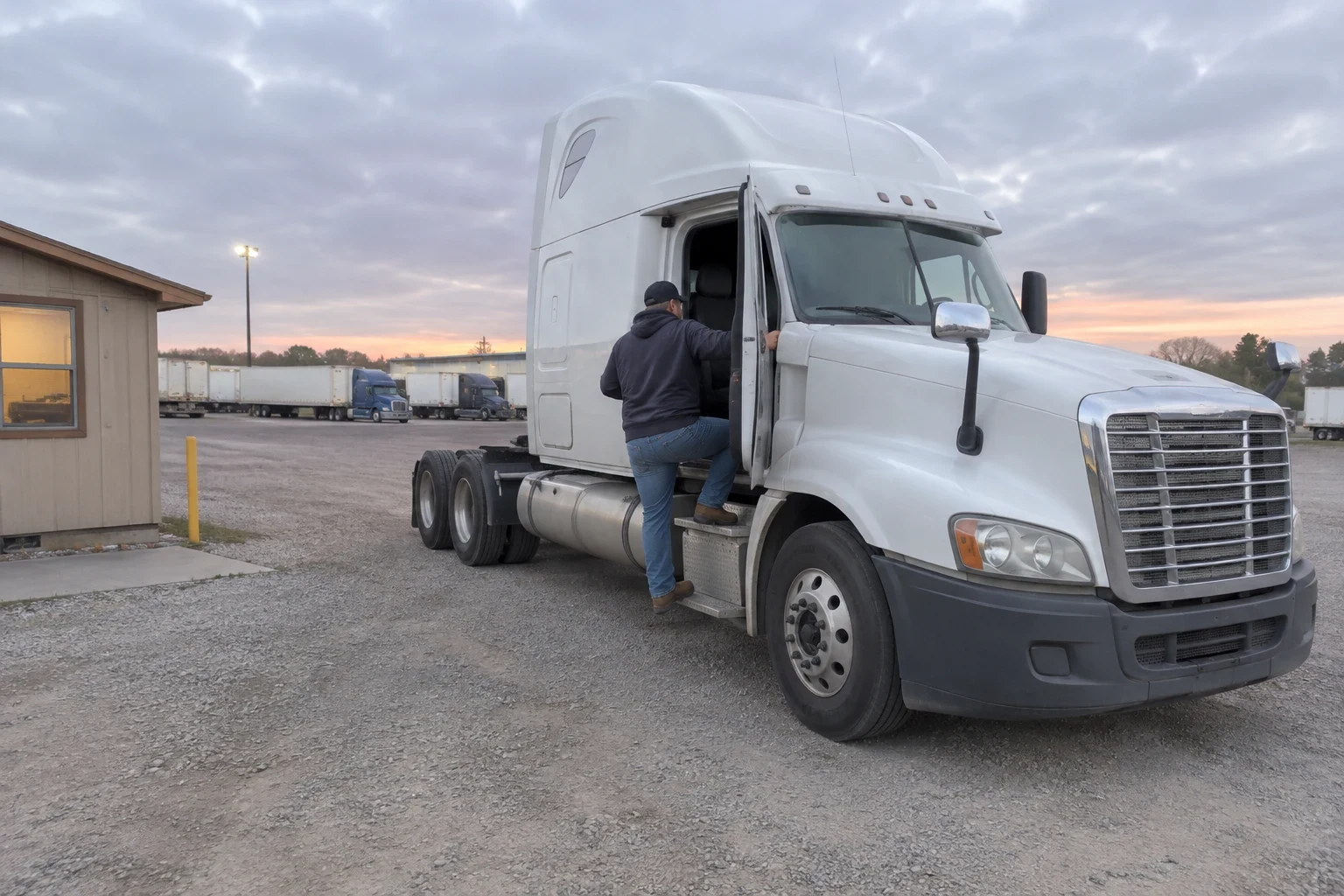
Bring your declarations and unit list, and we'll walk through what to keep, what to fix and whether shopping makes sense. Fleets in Denton, Corinth, Krum and nearby are welcome.