ServicesPhysical Damage Insurance
Physical Damage Insurance in Denton
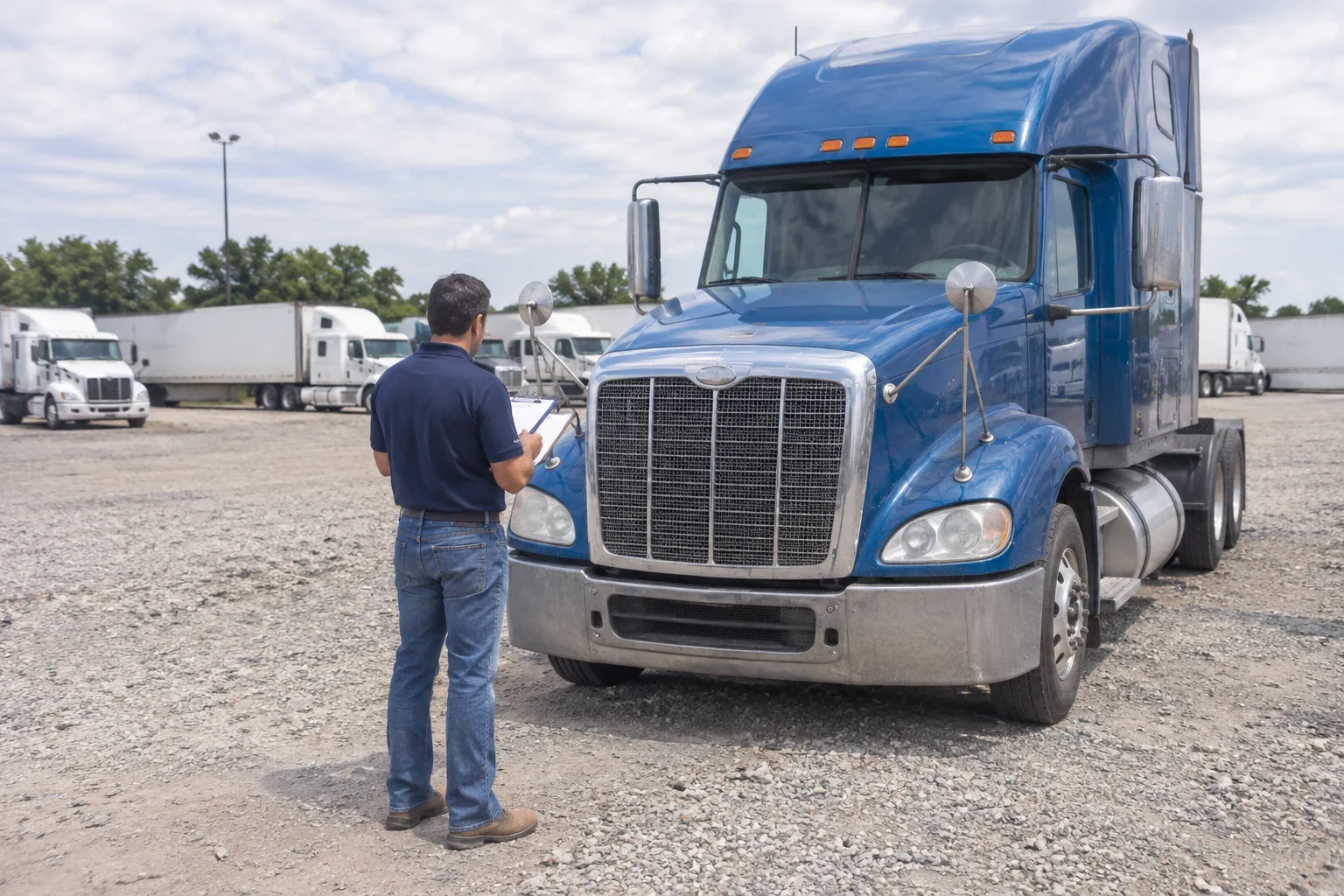
When your tractor, straight truck or trailer is damaged in a wreck, a hailstorm, a fire or a theft, physical damage coverage is what pays to fix it or replace it. We set the values with you, show how deductibles move your premium, and check whether your current policy just needs a tune-up.
Coverage for the equipment you paid for
Liability protects other people. Physical damage protects your own tractor, straight truck or trailer. It usually comes in two parts: collision, for when your truck hits something or rolls over, and comprehensive, sometimes called other-than-collision, for fire, theft, vandalism, flooding and hail.
If you finance or lease, the lender will almost always require it and list itself as loss payee. If you own the truck outright, the choice is yours, and we'll talk it through honestly. A newer rig you couldn't replace out of pocket usually needs it. An older truck worth little more than a few years of premium may not.
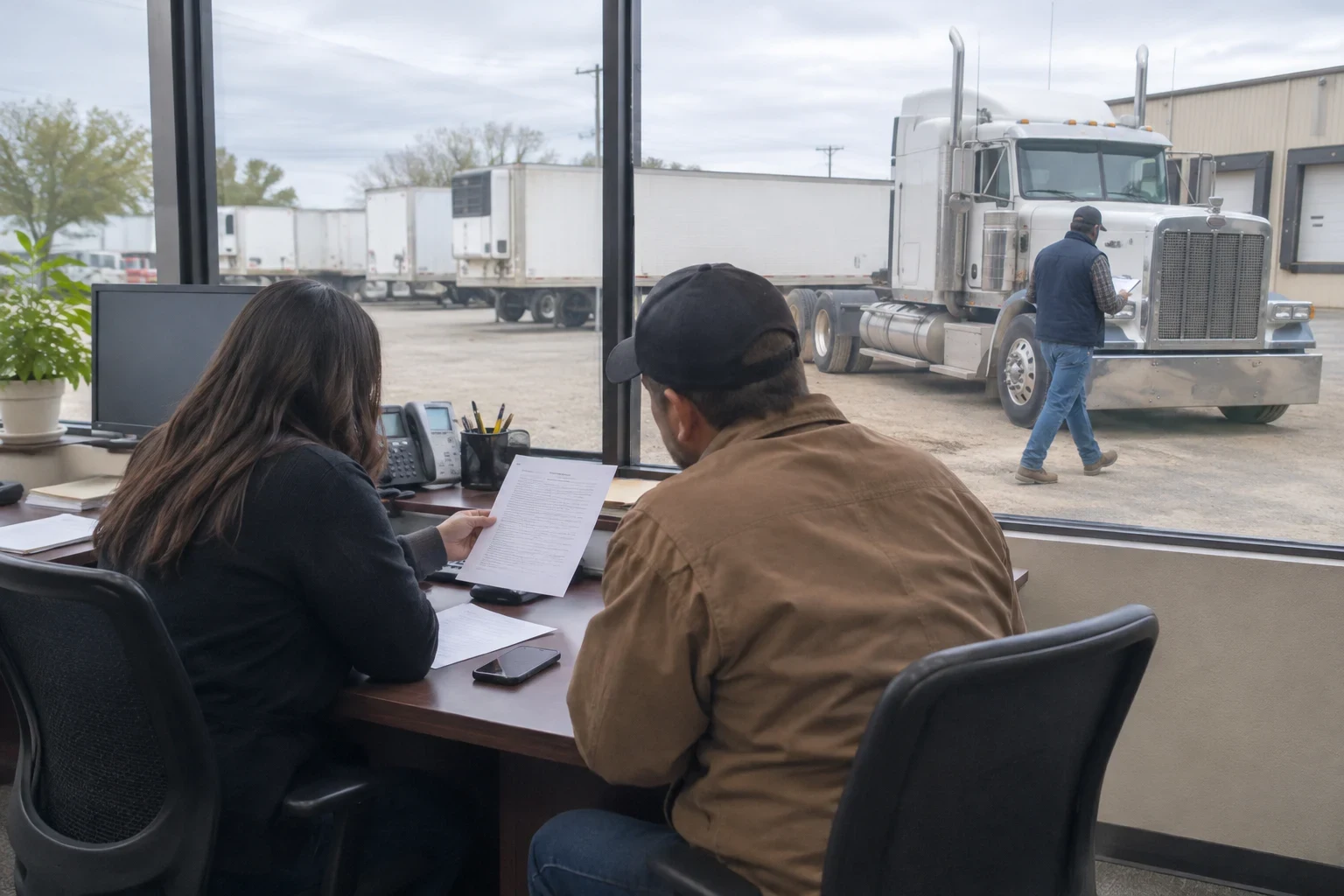
Our agency holds a property and casualty license, with 5 years in business behind it. Most callers are owner-operators and small fleets, and plenty of them already have a policy that's nearly right. In that case we fix the stated value or the deductible and leave the rest of the policy in place instead of starting over.
What a physical damage policy can cover
Collision
Damage from hitting another vehicle, a guardrail or a loading dock, plus rollovers and jackknifes. It pays no matter who was at fault, minus your deductible.
Comprehensive
Fire, theft, vandalism, flood, wind and hail. North Texas spring storms make this part worth a close look, since one hailstorm can crack a windshield and dent every panel on a truck parked in the open.
Stated value on each unit
Each truck and trailer is listed at a value you declare. Most policies pay the lesser of that amount, the actual cash value or the cost to repair, so the number needs to match what the unit is really worth today.
Owned trailers
Trailers you own can be scheduled on the same policy. Trailers you pull under an interchange agreement are a different need, explained on our Trailer Interchange Insurance page.
Optional add-ons
Depending on the carrier, a policy may pick up the tow bill and yard fees, help pay for a rental truck or lost time while yours is in the shop, or cover bolted-on gear like a liftgate. Not every carrier offers these, so we'll point out which ones are worth the added premium for the way you run.
Lender paperwork
We list your lender or lessor correctly and send the certificate of insurance they ask for, so a missing form doesn't hold up your financing.
Signs it's time to look at your physical damage coverage
- You just financed or leased a truck
- The lender will want proof of coverage with them named as loss payee before you drive off. We can set that up and get the certificate out.
- Your stated values haven't changed in years
- Truck values move. If your number is too high, you're paying premium for money the carrier won't pay out. Too low, and a total loss leaves you short.
- Your deductible doesn't fit your bank account
- A high deductible lowers the premium, but it's only a good deal if you'd have that cash on hand the week after a wreck. If your finances have shifted, the deductible should shift too.
- You added equipment
- A new trailer, a sleeper upgrade or a liftgate may not be on your policy unless someone added it.
- A storm or claim caught you off guard
- If a past hail or theft claim paid less than you expected, it's worth reading the policy together to see why.
How we set it up with you
- 1
A conversation first
By phone, video or at our office, we ask about each unit: year, make, VIN, what you haul, where it's parked overnight and who holds the loan. That's enough to start.
- 2
A look at what you already have
If you already carry a policy, we read your declarations page with you. When it mostly works, we adjust values or deductibles and leave the rest alone. When the carrier no longer fits your equipment or pricing has drifted out of line, we explain why moving makes more sense.
- 3
Options side by side
We show you quotes at a couple of deductible levels so you can see exactly what each choice costs and saves.
- 4
Coverage bound, paperwork sent
Once you choose, we bind the policy, send certificates to your lender and walk you through how to report a claim.
- 5
Help when something happens
After a loss, we explain the claim steps and what to expect. The carrier's adjuster decides repair or total loss; we help you understand that decision and what your policy says.
What sets the price of physical damage coverage
Your premium comes down to two questions: what your trucks are worth, and how likely they are to be damaged or stolen. We hold off on naming a number until we know your equipment and driving history, because a rough guess today tends to turn into a surprise at renewal.
- Stated value
- The higher the declared value of each truck and trailer, the more the carrier has at risk, and the higher the premium.
- Deductible
- Choosing a larger deductible lowers your premium. We help you pick one you could realistically pay.
- Equipment and use
- A dump truck working rough job sites is priced differently from a highway tractor or a box truck on city routes.
- Driving records and claims
- Carriers look hard at who's behind the wheel. Drivers with clean MVRs and an operation with few prior losses earn better pricing, while recent accidents or theft claims raise it.
- Parking and radius
- Where trucks sit overnight and how far they travel both affect the theft and collision risk carriers price in.
Common questions about physical damage coverage
- Do I have to carry physical damage coverage?
- Not under federal or state rules. Those require liability for your authority. The requirement usually comes from whoever finances or leases the truck. If the truck is paid off, the decision is yours, and we'll help you weigh it.
- Should I set my stated value high just to be safe?
- We don't recommend it. You pay premium on the full stated amount, but most policies won't pay more than the truck's actual cash value at the time of loss. An accurate value saves money and avoids a disappointing claim check.
- Does physical damage cover the freight I'm hauling?
- No. It covers the truck and trailer only. Loads fall under motor truck cargo insurance, which we can quote during the same conversation.
- I'm leased onto a motor carrier. Doesn't their policy cover my truck?
- Usually not. The carrier's primary liability covers damage you cause to others, not damage to your own equipment. Most leased owner-operators carry their own physical damage, along with non-trucking liability for when they're off dispatch.
- Who decides if my truck gets repaired or totaled?
- The insurance carrier's adjuster makes that call, generally by comparing the repair cost to the truck's value. We explain the decision, what your policy promises and which questions to ask, so you aren't left guessing.
Let's check your truck values together
Have your current declarations page and VINs nearby, and we'll go through what you're covered for. If it only needs a small fix, we'll tell you that.