ServicesDump Truck Insurance
Dump Truck and Construction Truck Insurance in Denton
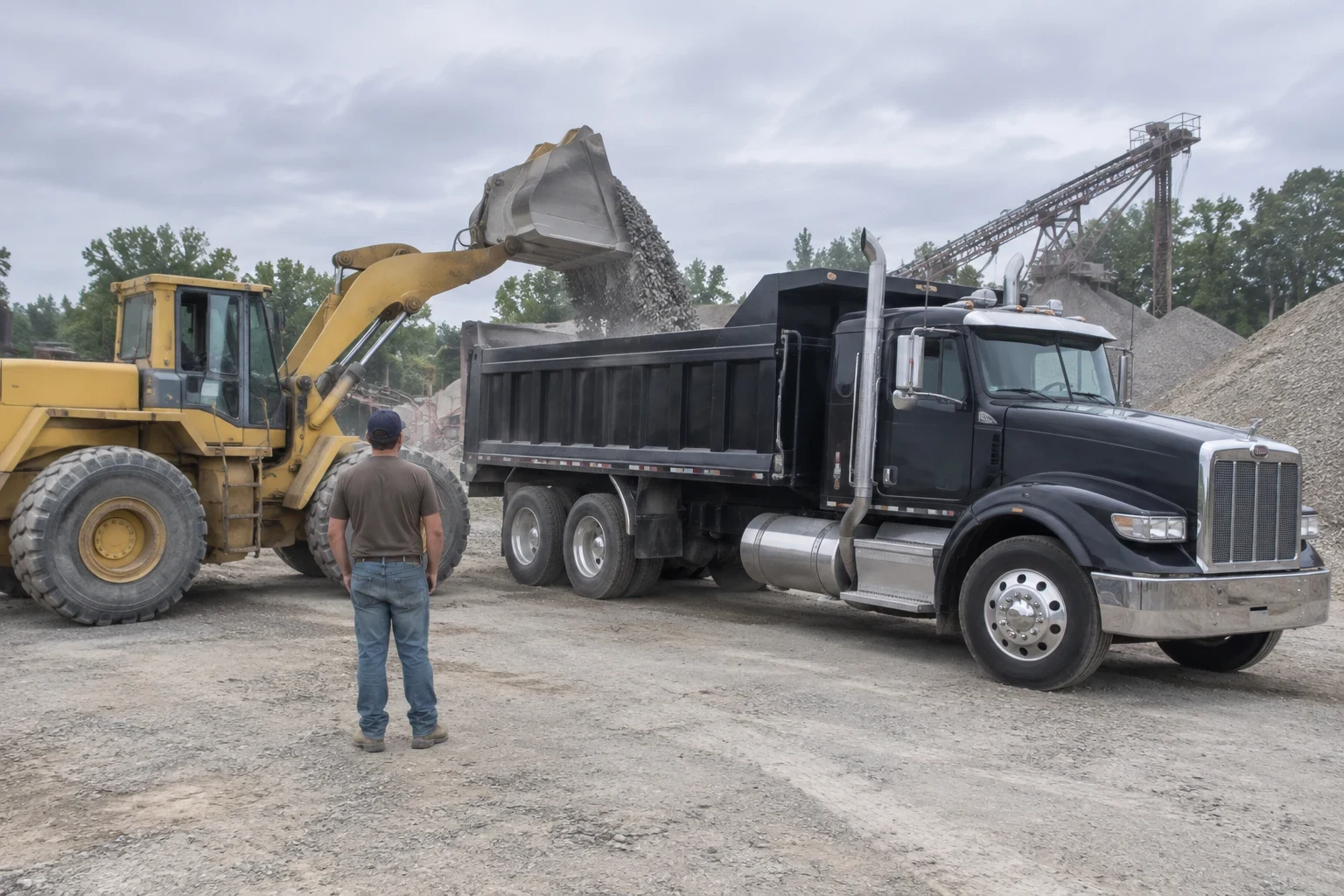
We cover the trucks that haul gravel, base, dirt and debris to job sites. We start by reading the policy you already have and fixing what is wrong with it. We only suggest a new one when your current coverage cannot fit your operation.
Coverage built around the work your trucks really do
Carriers rate dump and construction trucks on their own terms, not like long-haul freight. They want to know what goes in the bed, how far your trucks travel from the yard and how much time they spend on loose job site ground. If the application gets those details wrong, you can overpay, or end up with a claim the policy was never written to handle.
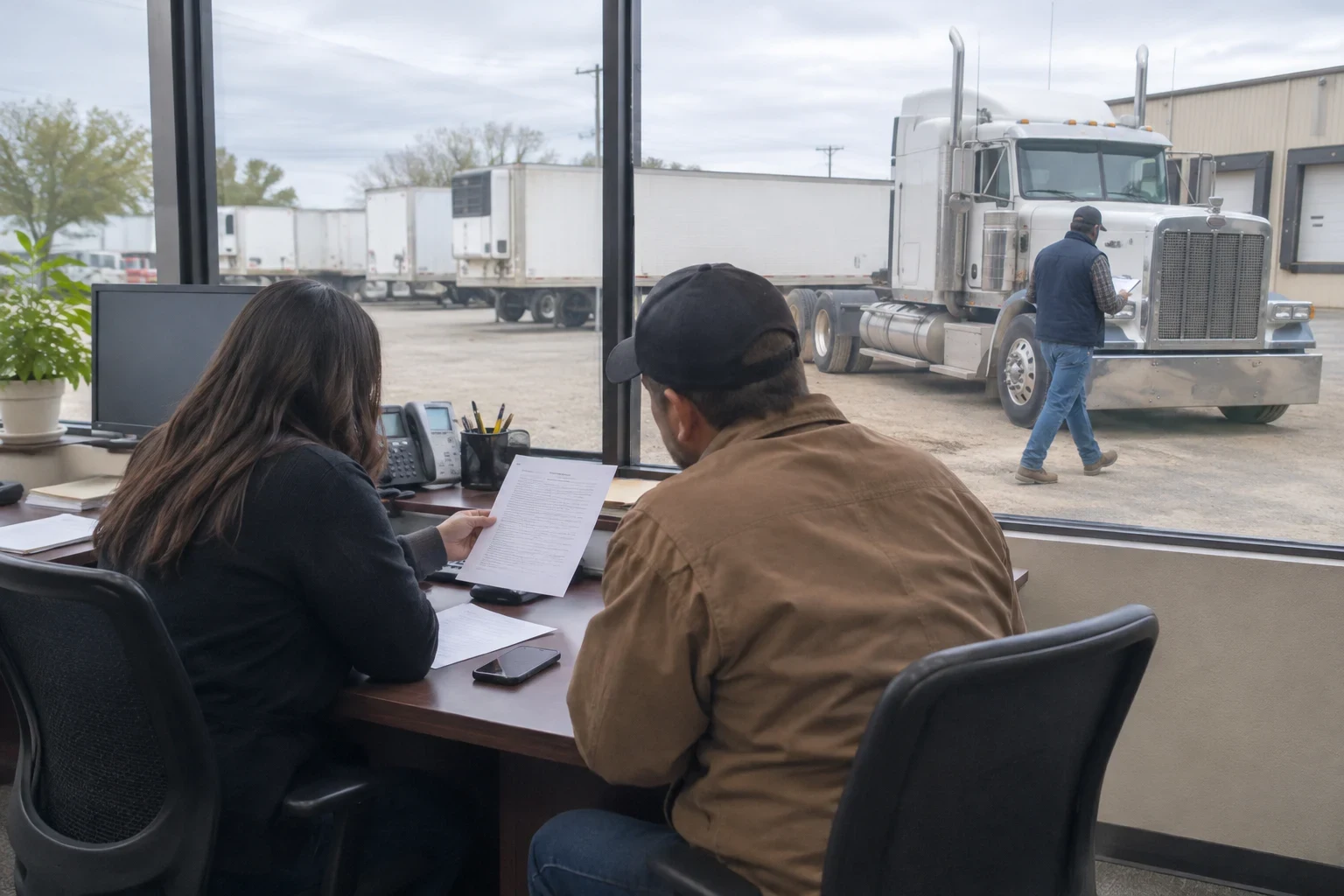
Most owners who call us already carry a policy, so we begin by going through it with you. The answer is often a small adjustment: an updated vehicle schedule, a radius that matches your real routes, or a deductible your cash flow can handle. If your current carrier can no longer write what your operation has become, we tell you that directly and shop it with other markets.
Trucking Insurance Denton has been in business 5 years, and we are licensed for property and casualty insurance. Dump truck owners from Denton, Krum, Ponder and the surrounding area can sit down with us in our office, or we can go over everything together on a phone or video call.
What goes into coverage for a dump or construction truck
Primary auto liability
This is the part that responds when your truck injures someone or damages a car, a fence or other property that isn't yours. Your filings and almost every hauling contract depend on it. We match the limits to what your general contractors ask for and what state or federal rules call for.
Physical damage
Collision and comprehensive protection for your own truck, dump body included. Lenders require it on financed units. We help you pick a stated value and deductible that fit the truck's age.
Filings that keep you running
Whether you stay inside Texas under your DOT number or cross state lines, your carrier may need to file proof of coverage. We take care of those filings so your authority doesn't lapse.
Certificates for contractors and quarries
Many contractors and quarries won't let a truck load until a certificate is on file. Some also ask to be added to your policy by endorsement. We get the certificates out and explain what each request asks of you.
Cargo coverage, only if it fits
Plenty of aggregate haulers can skip cargo coverage, and we'll say so if that's you. When you carry material a customer owns and expects protected, we look at motor truck cargo insurance for those loads.
Signs your construction truck coverage is due for a review
- A contractor raised its limit requirements
- Larger jobs tend to bring stricter coverage terms. Increasing a limit on the policy you have is usually easier than starting fresh.
- Your policy lists general freight
- If dump or construction hauling isn't described on the policy, a claim could be challenged. The right class description keeps you protected.
- A new truck or new hire is on the way
- Every unit and every driver belongs on the schedule before the first load. An unlisted driver at the wheel can turn a minor accident into a coverage fight.
- Your renewal jumped
- A higher premium doesn't automatically mean it's time to switch carriers. Sometimes an old claim aged off or your radius shifted and the rating was never updated. We look at that first.
- Your loads changed
- Demolition debris, asphalt millings and clean fill may each be rated differently. Let us know when what you haul shifts.
How your dump truck policy comes together
- 1
Start with a phone call
Tell us about your trucks, your loads and where you run. We'll ask for your DOT number, your driver list and any contracts that spell out coverage requirements.
- 2
We go through what you have
Bring your declarations page and loss runs to our office, or keep them in front of you for a video call. We check for the wrong class, drivers who aren't listed, outdated truck values and limits below what your customers expect.
- 3
Correct it or shop it
When an endorsement or a simple correction does the job, that is what we recommend. When your carrier won't write your operation as it stands today, we quote other markets and walk you through how the options compare.
- 4
Coverage starts and paperwork goes out
After you decide, we put the policy in force, handle any filings your authority needs with the carrier and get certificates to the contractors and quarries on your list.
What drives the premium on a dump truck
Construction trucking operations rarely price alike. The carrier looks at the truck, the person driving it and the kind of work it does. Once you know which pieces move the number, you can decide which changes are worth making.
- How far you run
- Trucks that work close to the yard and nearby job sites generally rate lower than units covering long distances. A radius that matches your real routes keeps you from paying for miles you never put on.
- Who is behind the wheel
- Carriers pay close attention to motor vehicle records and how many years a driver has run a dump truck. One newer driver with a few violations can push the premium harder than the truck does.
- The truck and its dump body
- The cost of physical damage tracks what the truck and body are worth. On an older unit you own outright, a higher deductible or a lower stated value may make more sense.
- Your loads
- Sand and gravel, demolition debris and hot asphalt all carry their own risk. The class description on your policy and the materials you haul shape the rate.
- Your loss history
- Past claims stay attached to your operation for several years. Clean loss runs open up more choices when renewal comes around.
Questions dump truck owners ask us
- Is cargo coverage required for hauling dirt and gravel?
- Usually it isn't. Low-value bulk loads like aggregate and fill typically aren't covered as cargo at all. If a contract calls for it, or you start hauling something worth real money, we'll go over the options with you.
- Can my current policy be corrected instead of replaced?
- Often it can. Adding a driver, updating a truck's value or raising a limit is usually a mid-term change with the carrier you already have. We suggest moving only when that carrier can't cover the work you do.
- My general contractor wants to be added to my policy. What does that involve?
- It gives the contractor some protection under your auto liability for claims that come out of work you do for them. Not every policy includes that on its own, so we read the language and add the right endorsement before the certificate goes out.
- My trucks stay in Texas. Are filings still needed?
- Many haulers who never leave the state still need proof of coverage on file, depending on truck weight and the type of hauling. We figure out which filings apply to your DOT number and take care of them.
- How fast can I get a certificate for a new job?
- Once your policy is in force, certificates are an everyday request for us. Call with the contractor's name and any specific wording they need, and we handle the rest.
Let's look at your dump truck policy together
Have your declarations page and truck list handy and we will walk through it with you. You will hear what we would fix, what we would leave alone and whether switching is worth it.